The Hello Girls: America's First Women Soldiers
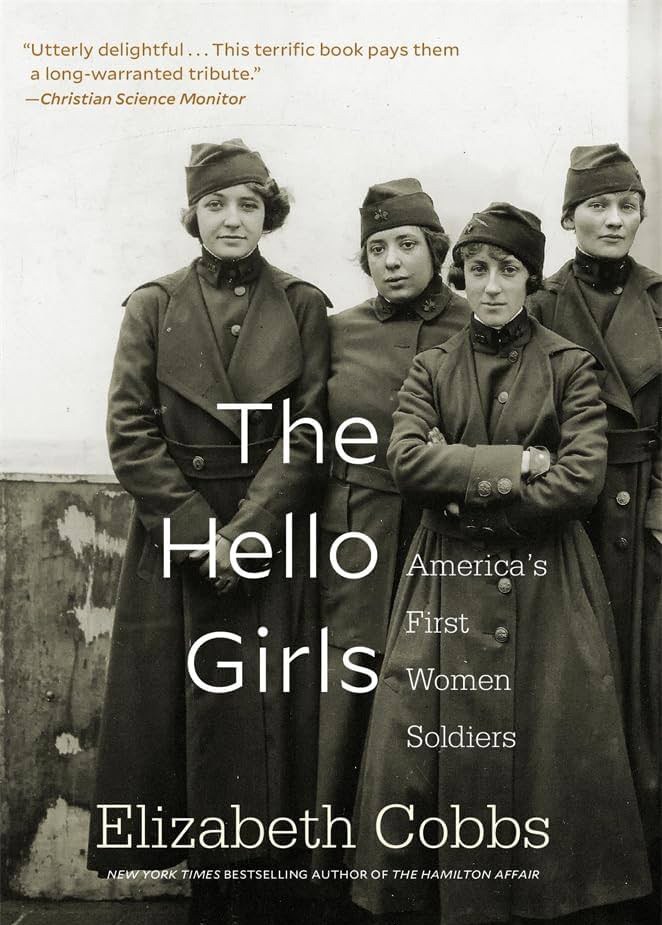
When the United States entered World War I, women still possessed citizenship only through their fathers and husbands. To most men, the idea that one day women would have active roles in the U.S. military was inconceivable. However, new opportunities for women were born from the Army’s desperate need for a talent that women could provide in abundance: communication.
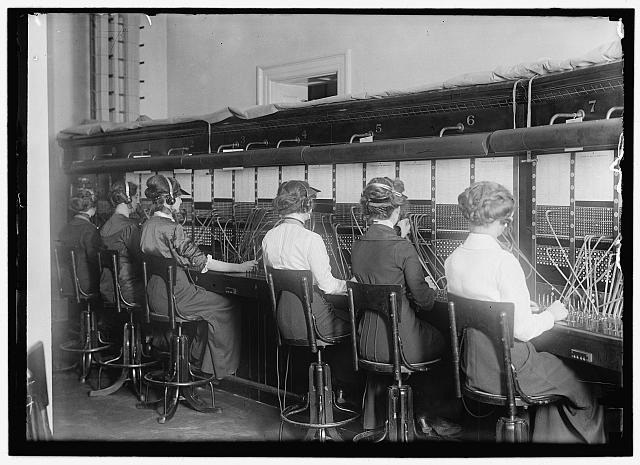
Upon General John J. Pershing’s arrival in France in 1917, he discovered that one of the Army’s biggest challenges was communication. Since its invention, telephone operating had been largely sex segregated, and Pershing recognized that women could operate switchboards instinctively. He ignored the laws stating only men could serve in the Army and began recruiting female telephone operators to manage complex and fast-paced switchboards.
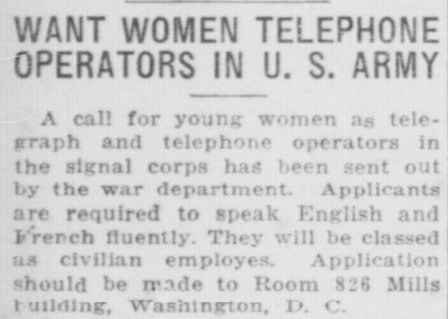
“Want Women Telephone Operators in U.S. Army, from South Bend News-Times, Jan. 9, 1918.
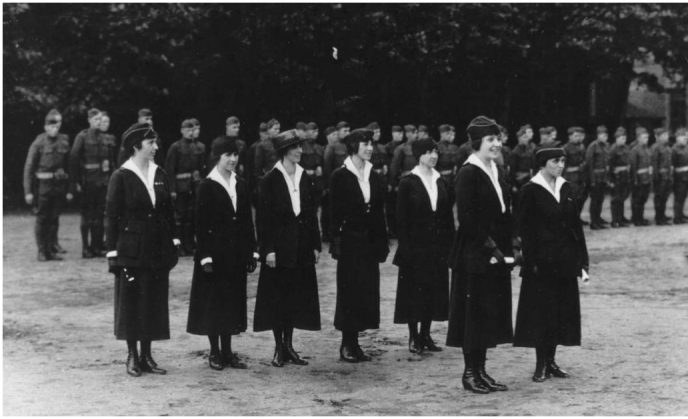
In 1918, at Pershing’s request, 223 women were sent to France to serve in the U.S. Signal Corps, a specialized branch of the U.S. Army responsible for communication and information systems. These women, most of whom had years of switchboard experience and were fluent in both English and French, became essential to battlefield communication, working day and night within range of artillery. They were known as “The Hello Girls.”
The Hello Girls: America’s First Women Soldiers by Elizabeth Cobbs highlights not only their skill and courage under fire but also their long struggle for recognition as official Veterans. These skilled switchboard operators swore the same oath of service as male soldiers, wore uniforms, and operated under military command, only to be denied Veteran status after war’s end.
Upon returning to the U.S., these women found that although the 19th Amendment to the U.S. Constitution had been ratified, the Army would deny that they were ever soldiers. The U.S. government refused to grant them bonuses, Victory Medals, honorable discharges, and flags on their coffins. It wasn’t until nearly sixty years later, in 1977, that Congress finally granted them official Veteran status.
The pages of The Hello Girls are filled with stories of women like Merle Egan Anderson, who led the campaign for Veteran status well into her eighties.
The persistence of women like Anderson made one thing clear: the voices that once connected armies across continents would continue to be heard loud and clear until they received the honor and recognition they deserved.
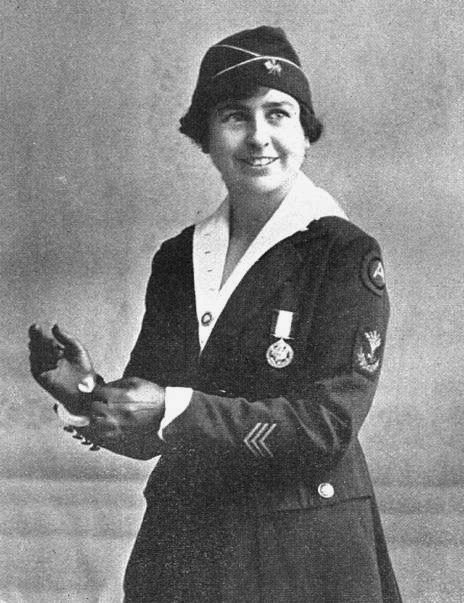
Cobbs draws on the diary of Grace Banker, the 25-year-old chief operator who led the Hello Girls to France, to provide a firsthand view of the exhaustion, stress, and pride these women felt as they handled thousands of calls daily.
Cobbs recounts events such as the Meuse- Argonne offensive, during which the Hello Girls maintained communications to keep operations running smoothly under relentless fire at one of the war’s most decisive moments.
Balancing big-picture military history with personal narratives, she illustrates how these women became an indispensable part of the U.S. war effort, in command tents and cramped switchboard stations.
The voices of these operators were undoubtedly instrumental in blazing the trail for the women who serve in the U.S. military today. Now, roughly 15 percent of the U.S. armed forces is composed of women.
Their role in combat remains controversial, and it was only in 2016 that women were permitted to serve in all ground combat roles. The Hello Girls is a reminder that women have always played vital roles in America’s military history, even if recognition came slowly.
For readers interested in World War I, women in service, or the evolution of gender roles throughout American history, The Hello Girls checks all the boxes. By blending military and social history with personal stories, this book is both engaging and inspiring.
Cobbs’ tribute to both their wartime service and continued perseverance connects the battlefields of World War I to the ongoing fight for gender equity not only in the military but also in civilian life today.
Images from this story