Winter 2025 · Pages 7–9
From Pearl Harbor to Present: A Hero Honored at NMMV
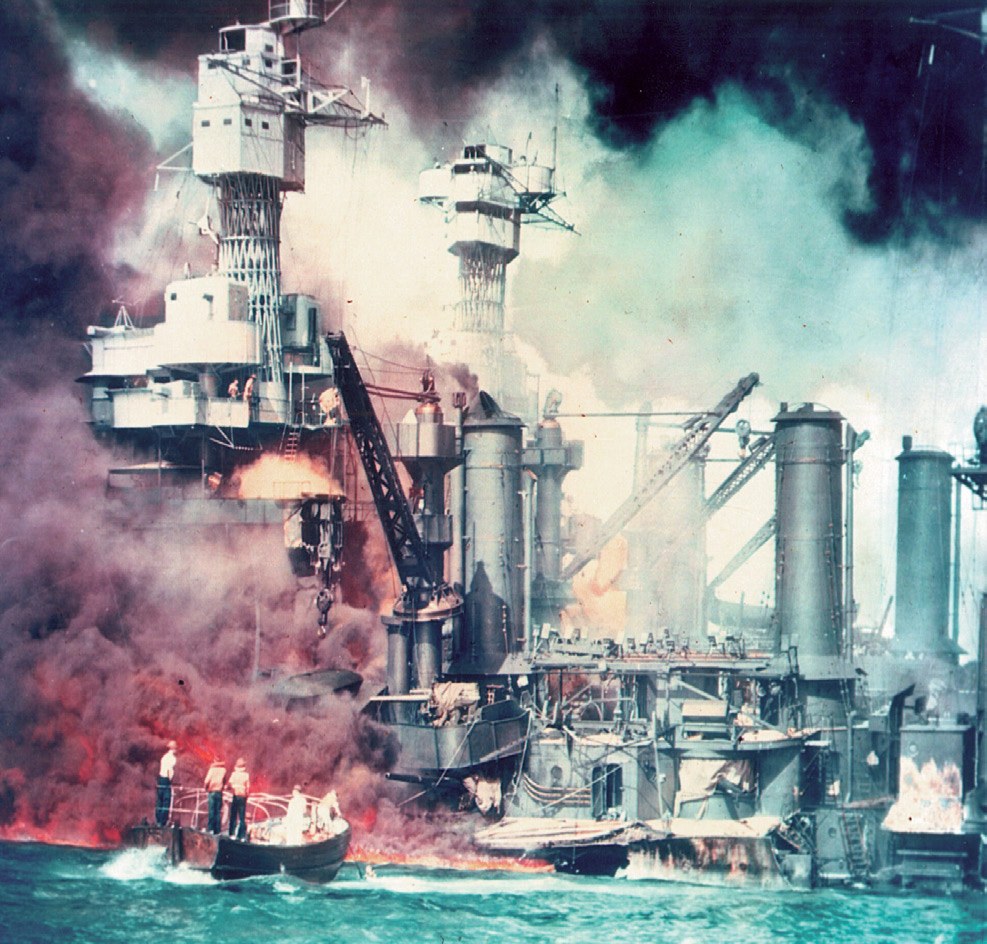
On the morning of December 7, 1941, the quiet calm of Pearl Harbor was disrupted by the roar of aircraft engines and the blast of bombs. In under 90 minutes, the Japanese delivered catastrophic destruction.
Out of the 102 ships present, 15 received minor damage, 11 suffered medium to heavy damage, and seven sank in the harbor, three of which were total losses. In this surprise attack, more than 2,400 Americans lost their lives.
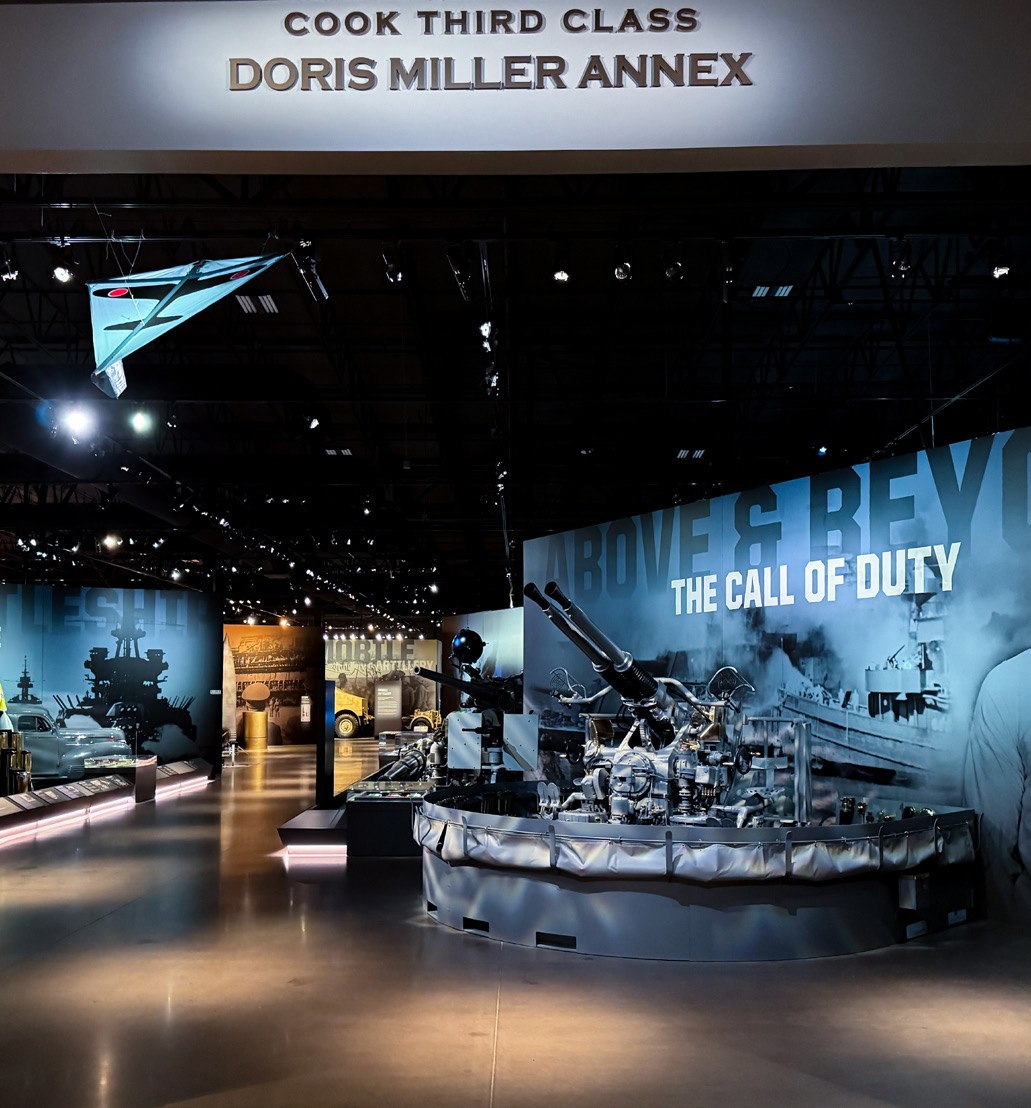
Amid the chaos and destruction of that devastating day in American history, countless acts of heroism unfolded. At the National Museum of Military Vehicles, the actions of one young sailor from Waco, Texas, aboard the USS West Virginia are honored with the Doris Miller Annex to the Marshall Gallery.
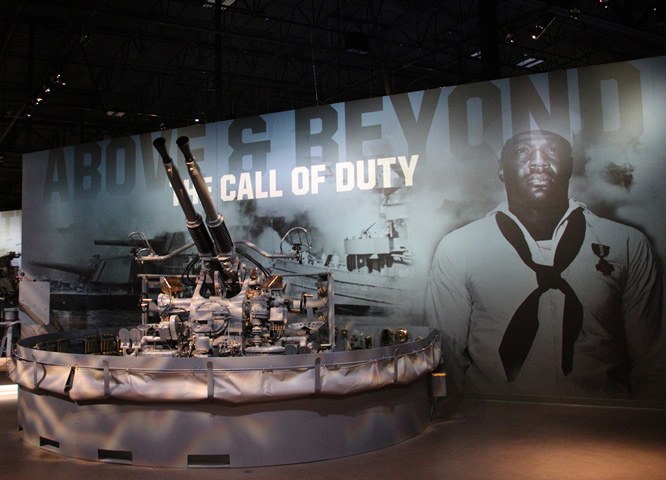
Doris “Dorie” Miller was a Mess Attendant, Second Class while aboard the battleship USS West Virginia (BB-48) in Pearl Harbor on December 7, 1941. When the attack on Pearl Harbor began, Miller rushed to his assigned battle station at the ship’s anti-aircraft battery, only to find that the guns had been destroyed by enemy fire. After receiving orders to assist the wounded, Miller carried several sailors to safety, including his mortally wounded captain, Mervyn Bennion.
However, this was not where Miller’s heroism ended. After evacuating crew members, he manned a .50caliber machine gun, firing at enemy aircraft until he ran out of ammunition. Despite having never been formally trained to use this weapon, Miller helped defend his ship in one of the most desperate moments of the war’s opening hours.
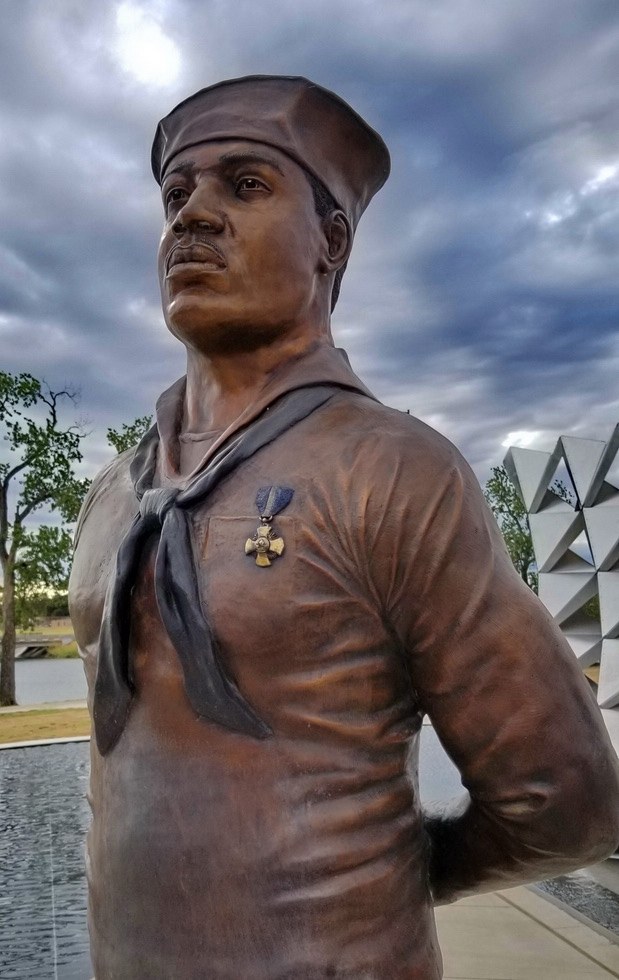
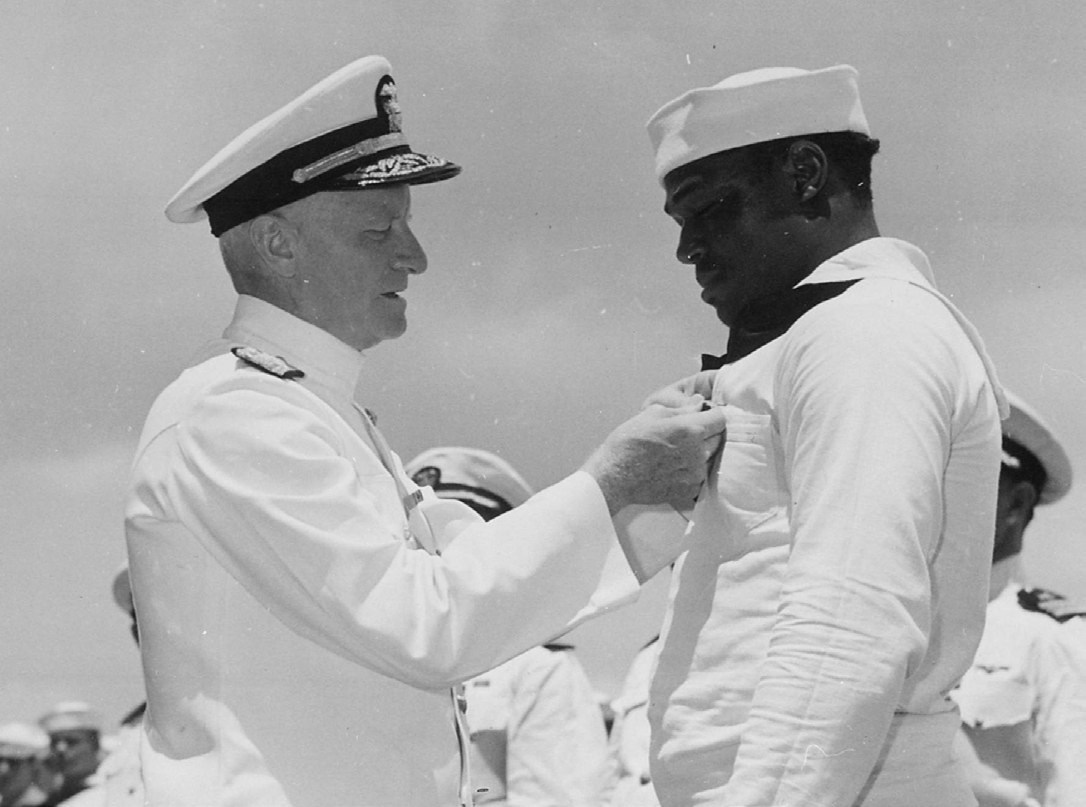
Although Miller was nominated to receive the Medal of Honor, Secretary of the Navy, Frank Knox opposed this idea due to the belief that Black sailors should not serve in combat. Ultimately, Doris Miller was awarded the Navy Cross and became the first African American sailor in U.S. history to receive that honor.
Miller continued to serve in the Navy, and was promoted to Cook, Third Class (Petty Officer) in June 1943. Unfortunately, he did not see the end of World War II. He later lost his life on November 24, 1943, during the Battle of Makin aboard the escort carrier USS Liscome Bay when the ship was torpedoed by a Japanese submarine.
In addition to Miller, 702 officers and sailors lost their lives, and this tragedy is considered the deadliest sinking of a carrier in the history of the U.S. Navy.
The Doris Miller Annex
Doris Miller was recognized as one of the first U.S. heroes of World War II. His courage became a symbol of determination, equality, and patriotism, representing the many Black servicemen who showed bravery in combat despite segregation laws. The U.S. Navy honored Miller with a destroyer escort, USS Miller (FF-1091), and a future aircraft carrier, USS Doris Miller, is scheduled to be launched in 2029. Many streets, schools, and parks throughout the U.S. also bear Doris Miller’s name, and in May 2022, the National Museum of Military Vehicles honored the Pearl Harbor hero with the opening of the Doris Miller Annex to the Marshall Gallery. At NMMV, the Doris Miller Annex serves as a lasting tribute to Miller’s heroism. The annex showcases naval, aviation, and artillery weapons from World War II, focusing on both military technology and the stories of resilience, sacrifice, and courage that emerged from global conflict.16-Inch Gun Chamber and Ammunition
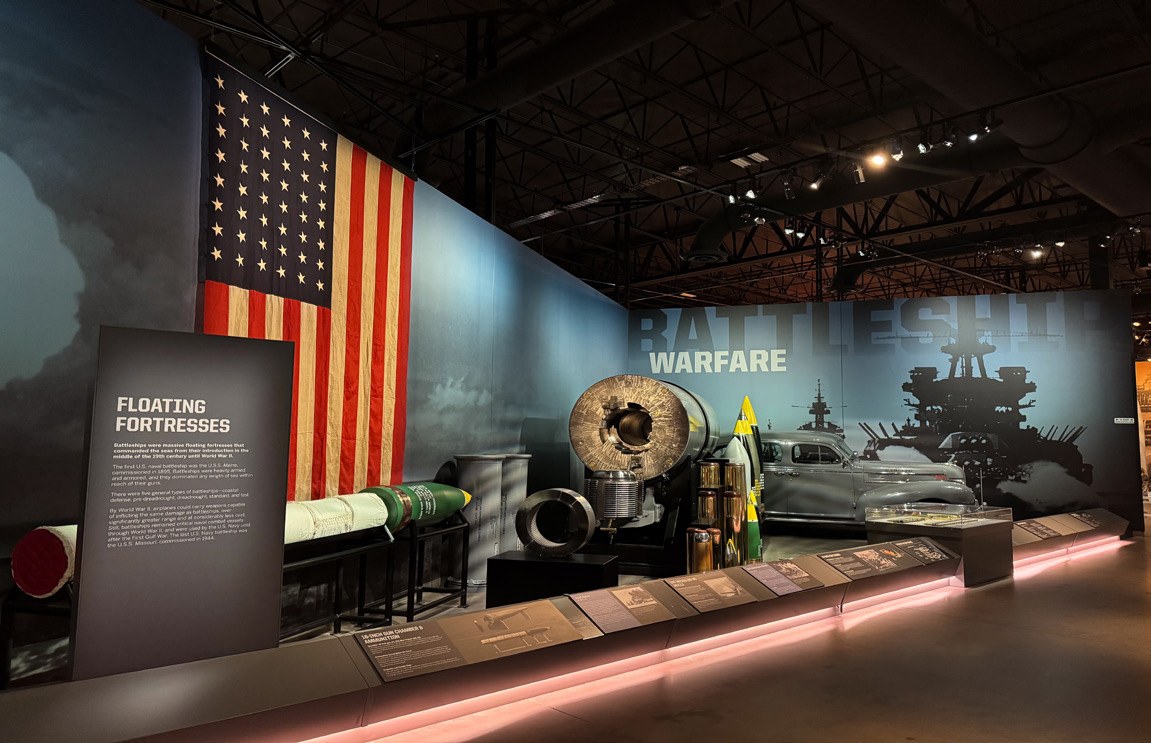
The Doris Miller Annex also displays a 16-inch gun chamber from the USS West Virginia , the battleship Doris Miller bravely defended during the Japanese attack. From inside the battleship’s armored turret, more than 150 men worked to keep the cannons firing at a rate of one and a half rounds per minute. Gunners loaded 2,100-pound shells by hand, followed by six 100-pound bags of propellant.40mm Bofors Twin Mount
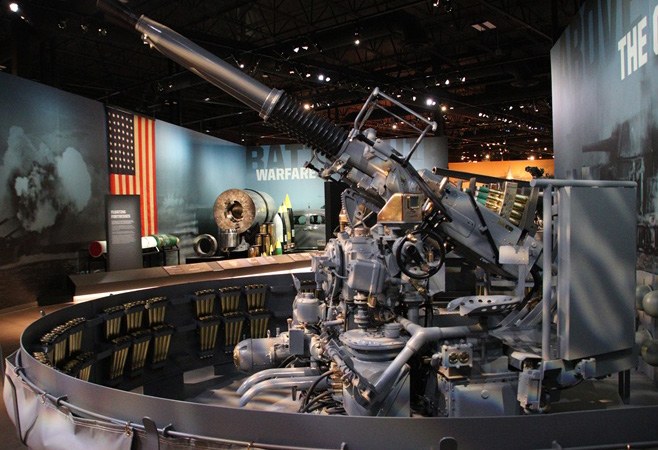
Upon entering the Doris Miller Annex, the first weapon visitors see is a 40mm Bofors Twin Mount, a gun that became the U.S. Navy’s primary close-range air-defense weapon World War II. Each Bofors twin mount required a seven-man crew and fired 120 rounds per minute per barrel. Its 1.9-pound shells provided defense against air attacks, with a maximum range of 11,000 yards and a ceiling of 22,800 feet. The reliability, rate of fire, and stopping power of the Bofors made this weapon indispensable against ene my aircraft. The Bofors on display in the Doris Miller Annex came from the USS Downes (DD-375), which was damaged during the attack on Pearl Harbor, but later repaired and returned to service in the Pacific campaigns at Saipan, Tinian, and Iwo Jima.USS West Virginia (BB-48)
During the attack on Pearl Harbor, the USS West Virginia was struck by seven torpedoes and two converted 16inch naval shells dropped as bombs. The ship, nicknamed the “Wee Vee,” went up in flames as it sank into the harbor, and 66 men perished below decks. Among these fatalities were three sailors who survived for sixteen days. They could be heard tapping a distress signal but were unreachable. Raised and repaired, the West Virginia rejoined the fleet in 1944. She continued to serve in the Pacific until 1945 and was present to witness the war’s end in Tokyo Bay during Japan’s surrender on September 2, 1945.Miller’s Legacy and Pearl Harbor’s Remembrance
The attack on Pearl Harbor was the beginning of America’s involvement in World War II, leading to thousands of casualties but also many stories of valor. Doris Miller’s actions of courage, selflessness, and strength have inspired many. As visitors walk through the Doris Miller Annex, these weapons bring the history of World War II beyond the pages of history books. They are tangible connections to that December morning and the sacrifice of the men who operated them. On this Pearl Harbor Remembrance Day, we honor those who served, sacrificed, and stood their ground on that fateful day. Men such as Doris Miller overcame prejudice and exemplified extraordinary bravery, inspiring generations to follow. Their legacy lives on, and in the National Museum of Military Vehicles, their courage will never be forgotten.Images from this story