Food Will Win the War: WWI Rationing and Creative Recipes of Christmas, 1917
As American families gathered to celebrate Christmas in 1917, the shadow of the First World War appeared large. On the home front, holiday traditions took on new meaning, with citizens rallying behind the war effort through acts of sacrifice, most notably, conserving food to support troops overseas.
Today, it is hard to think of anything but the norm of our “holiday traditions”. During the fall of 1917, rationing and scarcity transformed Christmas from a feast of abundance into a celebration of ingenuity. Although rationing was highly encouraged rather than mandatory, many Americans banded together to do all they could to support the war effort.
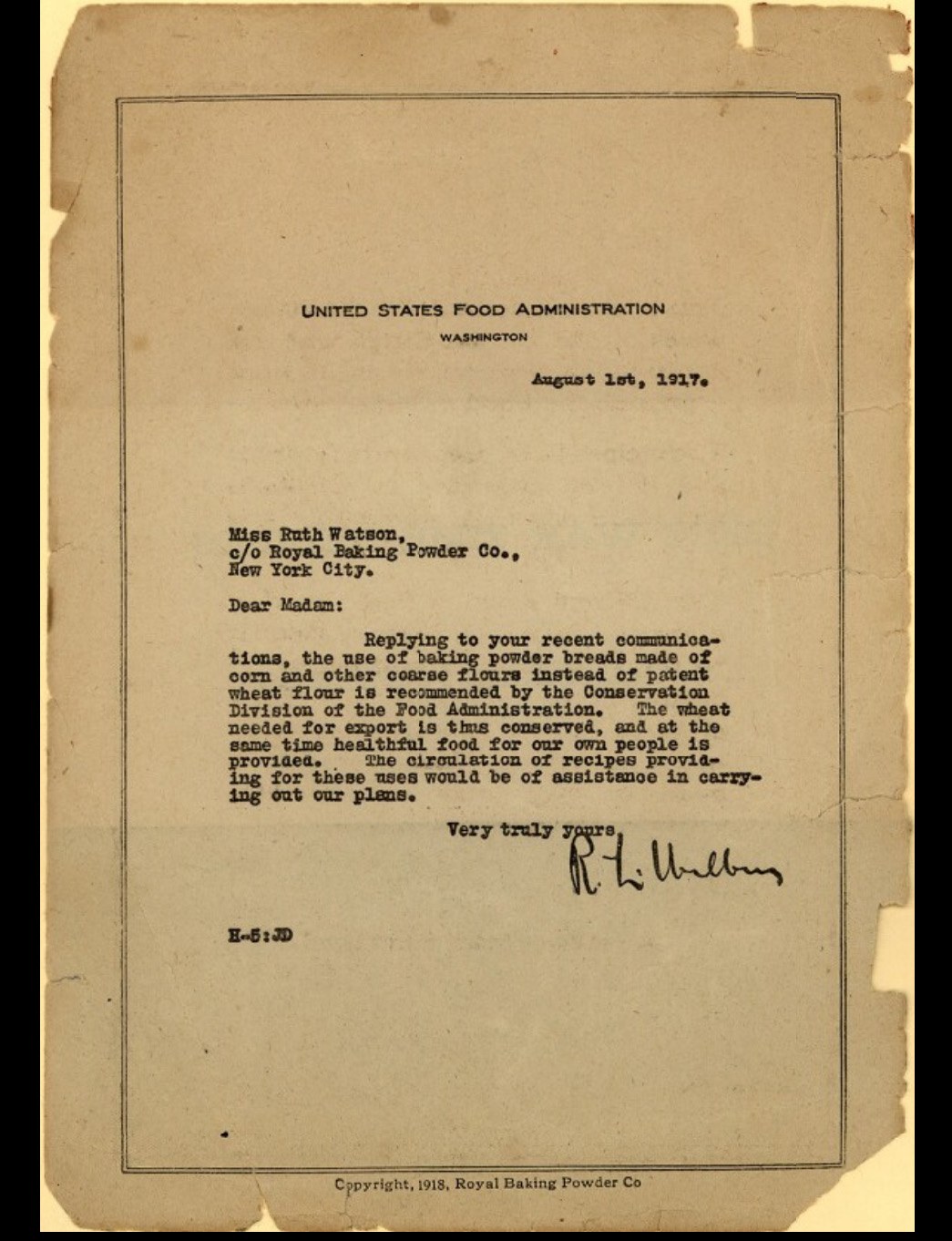
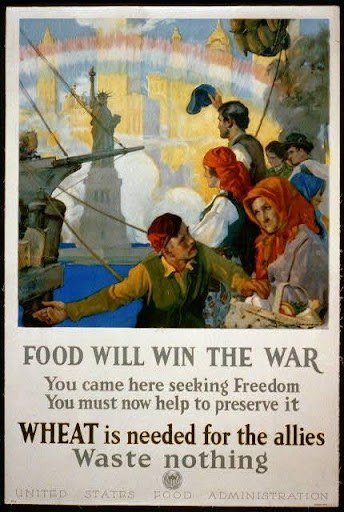
In August 1917, the U.S. Food Administration was established to ensure food supplies for the war effort through voluntary agreements and conservation measures. During this time, America experienced a critical reduction in food availability.
This was because domestic agricultural output was prioritized for troops overseas, which led to shortages and rising prices in civilian markets across America.
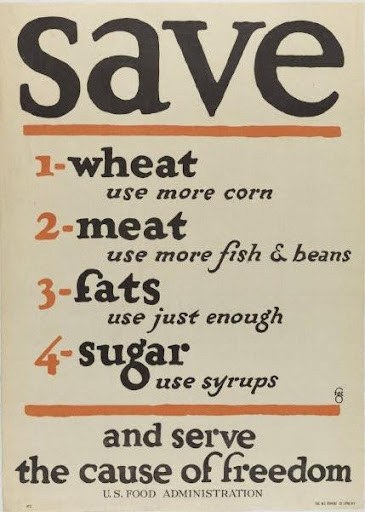
During the winter of 1917, Christmas celebrations continued, though the ideal Christmas meal changed with what was possible under rationing. Some of the ideas created by the U.S. Food Administration were Meatless Mondays, Wheatless Wednesdays, Fish Fridays, and even Porkless Thursdays and Sundays.
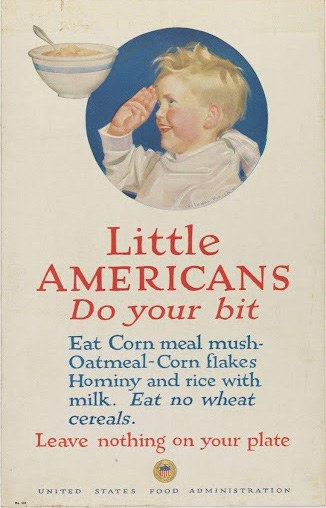
Along with those initiatives, children were encouraged to “clean their plates” as there were “starving orphans” in Europe. The idea was not to limit food but to find substitutes for foods in high demand, like beef and wheat.
With food shortages tightening and patriotism stirring in kitchens, home cooks and domestic scientists rose to the occasion with ingenuity, thrift, and a deep sense of duty.
Home economists and women’s clubs distributed pamphlets and hosted demonstrations, teaching families how to stretch rations and substitute ingredients without sacrificing nutrition or morale.
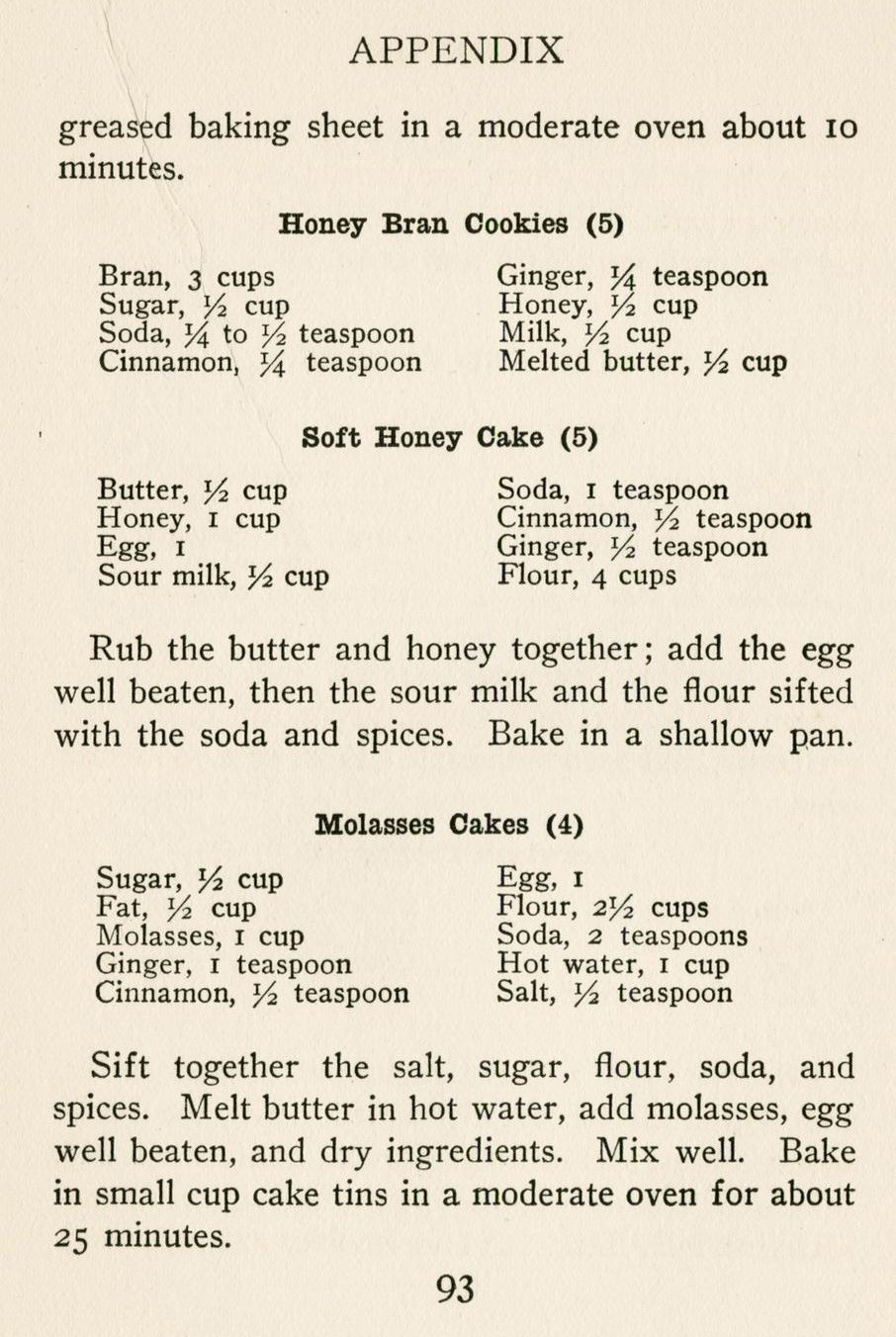
Cooks were encouraged to use barley, cornmeal, and rye in place of wheat flour. Sugar was substituted with molasses, honey, and corn syrup. Vegetable oils and drippings replaced butter. Beans, lentils, and nuts were protein-rich meat alternatives.
Traditional Christmas dishes were not abandoned; they were transformed. A pre-war Christmas pudding might have been rich with suet, eggs, sugar, and imported dried fruits. By 1917, however, wartime versions relied more heavily on grated carrots or mashed potatoes to add moisture and sweetness and breadcrumbs and oats to stretch flour.
In addition to ingredient substitutes, cooking methods were adjusted to conserve fuel. Some dishes would be steamed rather than baked. Roasts, once the centerpiece of the holiday table, were often replaced with vegetable cutlets or fish.
Many families also found ways to contribute and give back to their communities.
Particularly in cities like New York, Chicago, and Philadelphia, vacant lots, schoolyards, and backyards were transformed into productive home and community gardens.
These gardens provided fresh vegetables for holiday meals, helping to offset shortages. Despite the constraints, the spirit of the season endured. Families gathered, candles flickered, and songs were sung.
The Christmas of 1917 was not defined by what was missing, but by the creativity and solidarity that filled its place. In kitchens across the country, Americans proved that even in times of hardship, love and resourcefulness could still make the holidays bright.
At the National Museum of Military Vehicles, we honor the sacrifices made for American freedom, not just on the battlefield, but also on the home front. The story of Christmas 1917 offers a powerful lens through which we can explore themes of scarcity, creativity, and resilience.
It reminds us that patriotism was practiced in kitchens, gardens, and community halls, where ordinary citizens adapted with exceptional resolve. Resilience is not only forged in combat but cultivated in community.
Christmas of 1917 was shaped by war and rationing, but also by innovation, hope, and tradition. Families didn’t abandon celebration; they reimagined it. With fewer ingredients and tighter budgets, they leaned into creativity, shared what they had, and found joy in togetherness.
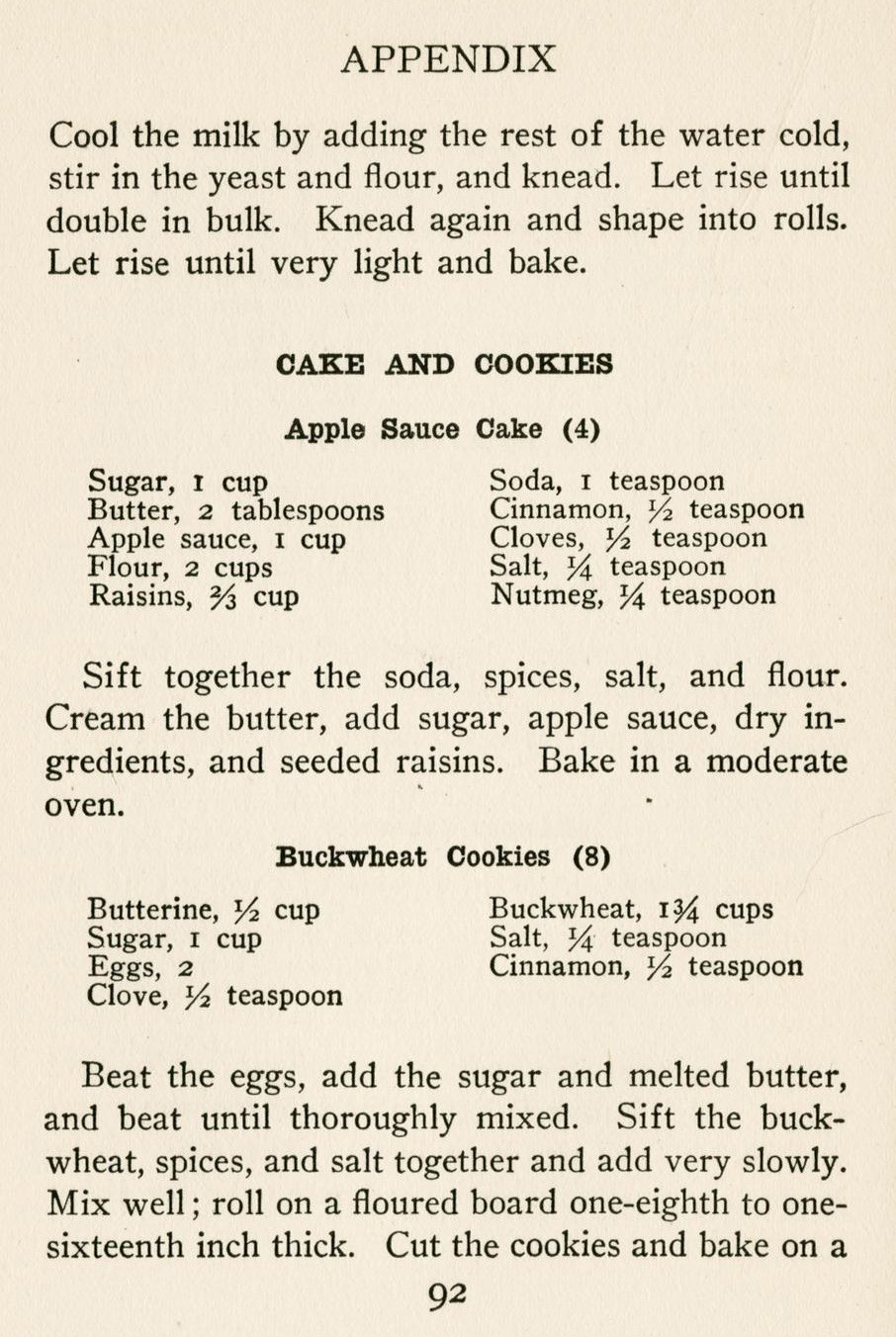
Wartime Christmas Recipes, 1917
As we reflect on what a “traditional holiday feast” means under restriction, we might ask ourselves, what truly makes a celebration meaningful? Perhaps it’s not the richness of the table, but the spirit around it.
These authentic recipes reflect how home cooks in 1917 adapted to food shortages and rationing during World War I. Despite scarcity, creativity and tradition kept the Christmas spirit alive. Each recipe offers a glimpse into the ingenuity and resilience of the home front.
To honor that legacy, consider trying a wartime-inspired recipe this season and share the story behind it. In doing so, we connect past and present, reminding ourselves that even in the hardest times, tradition and togetherness endure.
Images from this story