A Christmas Miracle: How the SS Meredith Victory Earned the Name The Ship of Miracles
The Evacuation Begins
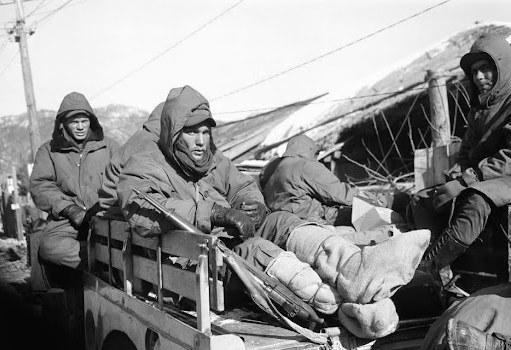
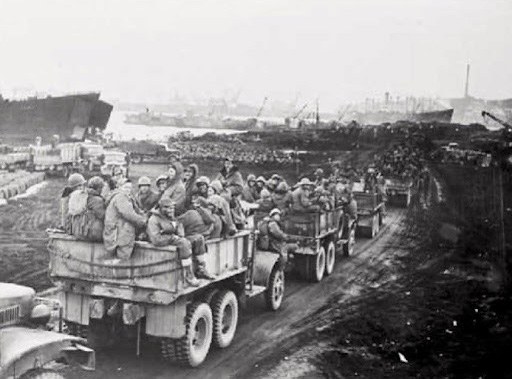
By December 9, 1950, beleaguered UN troops began to enter the North Korean east coast port city of Hungnam, where U.S. Navy and Merchant Marine ships were preparing to evacuate them.
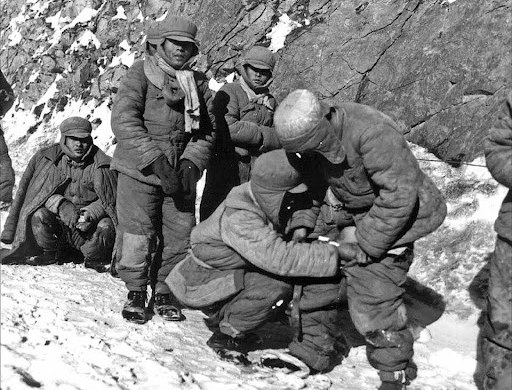
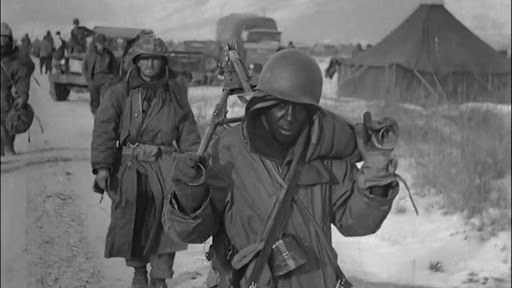
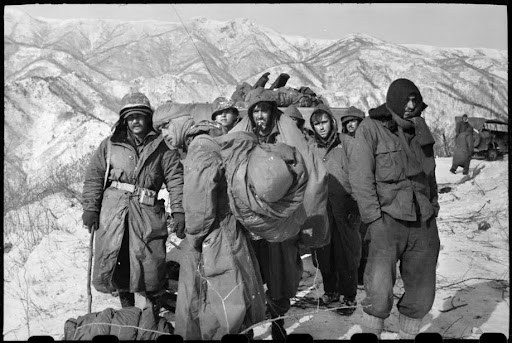
In the following days, more UN troops poured in as ground was being lost to the Chinese Communist Forces (CCF) and North Korean People’s Army (NKPA) units. Beginning late November, men of the U.S. Marines and the Army had been pushed from the Chosin Reservoir to the coast. The free world waited to hear if their fate would be reminiscent of Dunkirk.
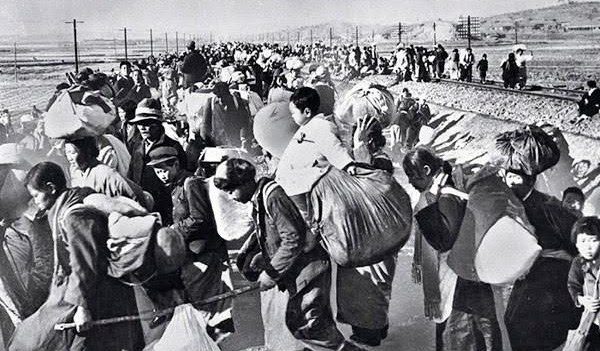
In those second and third weeks of December 1950, it was all the artillery and air support could do to hold the port. The evacuation was on a strict timetable: two weeks to get men, their equipment, supplies, and vehicles out of Hungnam. For the 100,000 North Korean refugees now trapped at the port, the Americans were their only hope of escape.
The Evacuation Dilemma
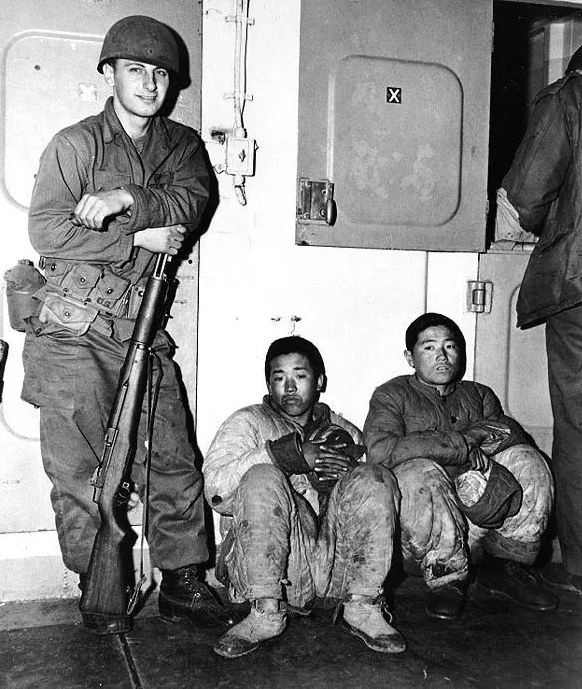
While planning the evacuation, U.S. military leaders quickly learned they faced a serious dilemma. U.S. Navy ships, already loaded to capacity with troops, supplies, and vehicles, had no room for civilians. Even if they did, critics argued that it was too risky to take them. Americans had already caught enemy soldiers disguised as refugees trying to get into the port and onto the ships. A single saboteur with a few explosives could spell disaster for a packed Navy troop carrier.
During the second week of December, a small number of civilians were evacuated. It was then hoped that if the Chinese didn’t attack Hungnam and shipping became available, an additional 25,000 refugees would be evacuated before December 24.
As military personnel withdrew throughout December, the refugees began to lose hope. With the December 24 operational deadline quickly approaching, their chances of survival didn’t look good. The Chinese were getting closer by the day.
Saving the Refugees
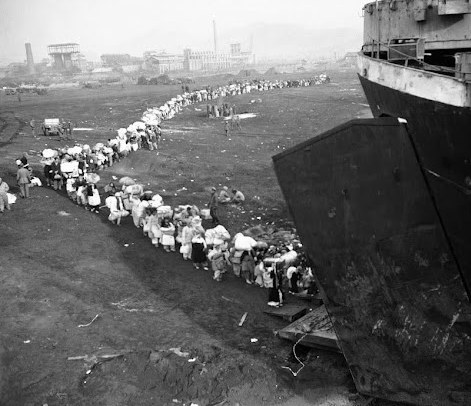
Finally, after much prodding and perseverance by key members of the military, specifically Col. Forney, the decision was made to evacuate “as many civilians as possible.” With few ships available for civilian passengers and time running out, no one was sure how many refugees would be saved.
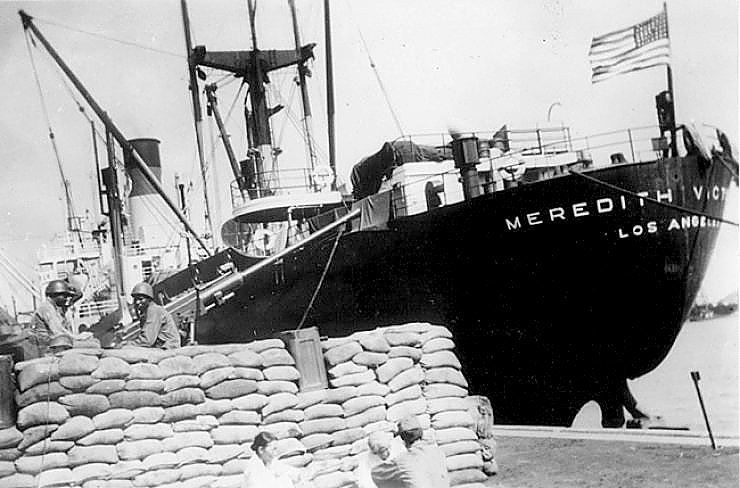
The evacuation fleet included WW2 era “Victory Ships”, which were provided by the Merchant Marines.Victory-class ships were cargo ships built between 1944-1946 to transport supplies and equipment overseas.
The S.S. Meredith Victory and Task Force 90
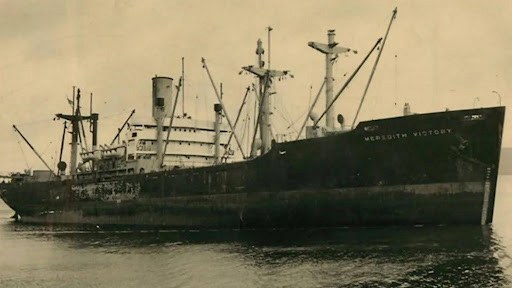
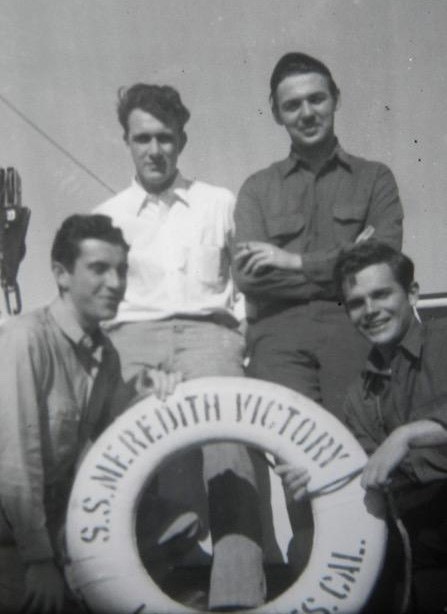
One of the Task Force 90 Victory Ships used in the Hungnam Evacuation was the SS Meredith Victory . This ship was named in honor of Meredith College to credit its completion of the Schools at War Program and the monetary pledges by students and faculty in War Loan Drives. The S.S. Meredith Victory was christened in California on June 23, 1945.
Victory ships had been designed to accommodate only 35 crew members and 12 passengers.
Nonetheless, the SS Meredith Victory managed to board more than 14,000 North Korean civilians and steamed south unescorted while navigating a mine field and dodging air attacks. Refugees were packed chest-to-chest on deck and in the cargo holds, while others rested on top of jet fuel drums.
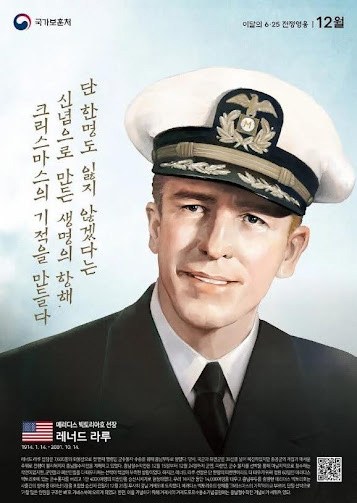
The ship sailed for two days to Pusan, South Korea, without additional food, water, or protection. In fact, the only weapon on board the ship was Captain Leonard LaRue’s service sidearm.
Miraculously, there were no casualties, which later earned S.S. Meredith Victory the nickname “Ship of Miracles.” In fact, First Mate D.S. Savastio, who only had first aid training, delivered five babies during the refugees’ passage to safety.
James Robert Lunney, Staff Officer on the ship at the time and a Navy Veteran of World War II, stated in an interview years later:
“There’s no explanation for why the Korean people, as stoic as they are, were able to stand virtually motionless and in silence. We were impressed by the conduct of the refugees, despite their desperate plight. We were touched by it.”
Lunney continued in the interview, “War is also about preserving the integrity of a Nation and the dignity of its people – we felt we had done that.”
Captain LaRue stayed in command of the S.S. Meredith Victory until 1952. In 1954, Captain LaRue, became a Benedictine monk of St. Paul’s Abbey in New Jersey. He would spend his life as a humble monk, until his death, almost 50 years later in 2001.
To this day, the S.S. Meredith Victory holds the Guinness Book of World Records for the “Largest evacuation from land by a single ship.”
Arriving at Pusan on Christmas Eve, S.S. Meredith Victory was only allowed to evacuate the wounded and a few suspected Communist sympathizers and take on interpreters and a small supply of food and water before being redirected to the island of Koje-Do, where it disembarked the refugees on Christmas Day.A Christmas Miracle
On Christmas Eve, the last day of the Chosin- Hungnam saga, the lead story in The New York Times read: “Evacuation of Hungnam Completed... UN Fleet Brings Out 105,000 Soldiers and 100,000 Refugees.” The United Nations’ first humanitarian rescue operation and the largest sea-borne, military evacuation of civilians, under combat conditions, in American history was over. President Harry Truman was ecstatic. “I thank God for the success of the Hungnam operation. It is the best Christmas present I’ve ever had,” he proclaimed after receiving a Christmas call at 1:00 a.m. from Omar Bradley, the Chairman of the Joint Chiefs of Staff. Truman, America, and much of the world breathed a sigh of relief. A likely UN withdrawal from the Korean peninsula and a possible larger conflict with China and the Soviet Union had been avoided. It is estimated that nearly a million descendants of those rescued at Hungnam live in freedom today in South Korea, the United States, and other countries around the world.S.S. Meredith Victory’s Gallant Ship Citation
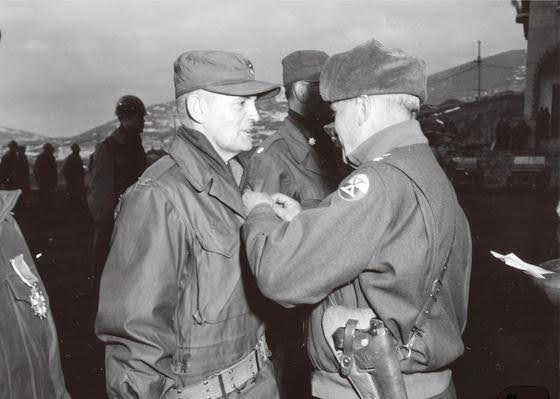
On August 24, 1960, the S.S. Meredith Victory was awarded the U.S. Merchant Marine Gallant Ship Citation for her effort during the Hungnam evacuation. The following text is from the citation: At the height of the epoch-making evacuation of Hungnam, Korea, by the United Nations Forces in December 1950, the MEREDITH VICTORY was requested to assist in the removal of Korean civilians trapped and threatened with death by the encircling enemy armies. Most of the military personnel had been pulled out, and the city was aflame from enemy gunfire. Despite imminent danger of artillery and air attack, and while her escape route became more precarious by the hour, the MEREDITH VICTORY set her course through enemy minefields, and although having little food and water, and neither doctor nor interpreter, accomplished the three day voyage to safety at Pusan with her human cargo, including several babies born enroute, without loss of a single life. The courage, resourcefulness, sound seamanship, and teamwork of her master, officers and crew in successfully completing one of the greatest marine rescues in the history of the world have caused the name of the MEREDITH VICTORY to be perpetuated as that of a Gallant Ship.Images from this story