Valcour: The 1776 Campaign That Saved the Cause of Liberty
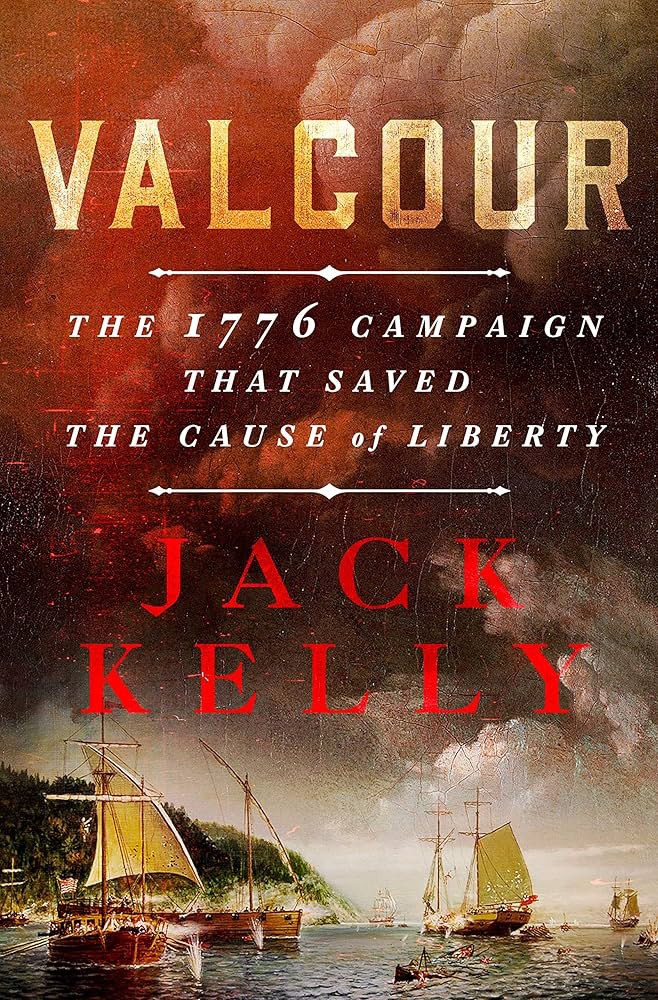
As the United States approaches its 250th anniversary, familiar moments of the Revolutionary War come to mind. Many Americans recall the signing of the Declaration of Independence, Paul Revere’s ride, or George Washington crossing the Delaware. While these events are integral to the nation’s story, Valcour: The 1776 Campaign that Saved the Cause of Liberty shifts the focus to a lesser-known campaign and presents it as a decisive and high stakes chapter of the war.
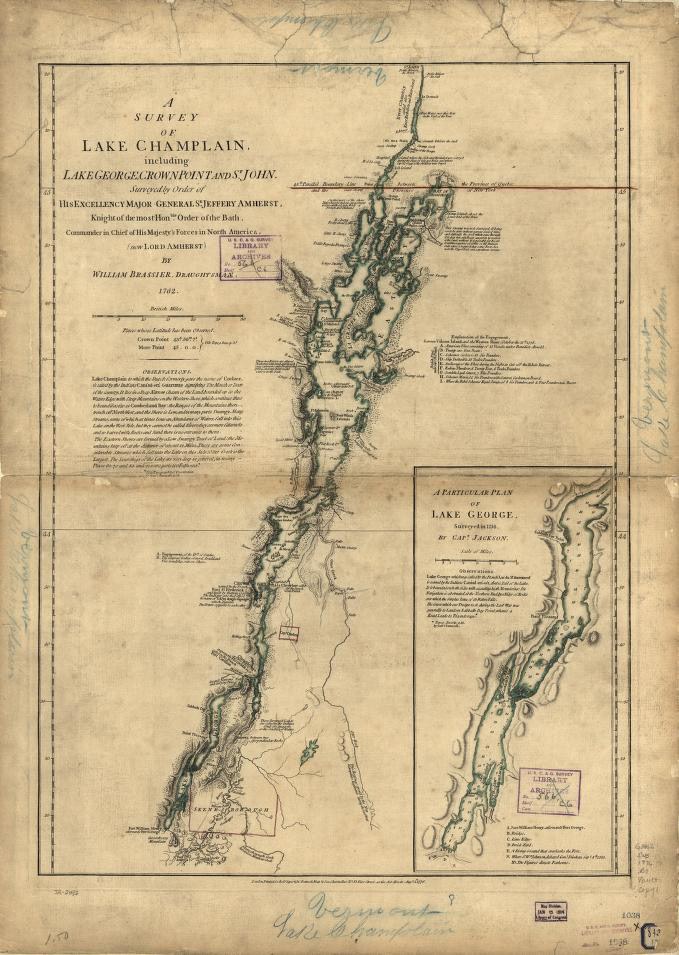
Author Jack Kelly details how control of the Lake Champlain corridor shaped the course of the Revolutionary War in the north. British forces in Canada planned to advance south along the lake and split New England from the rest of the colonies. Valcour is a gripping story about the effort to stop that advance and the campaign that led to the Battle of Valcour Island.
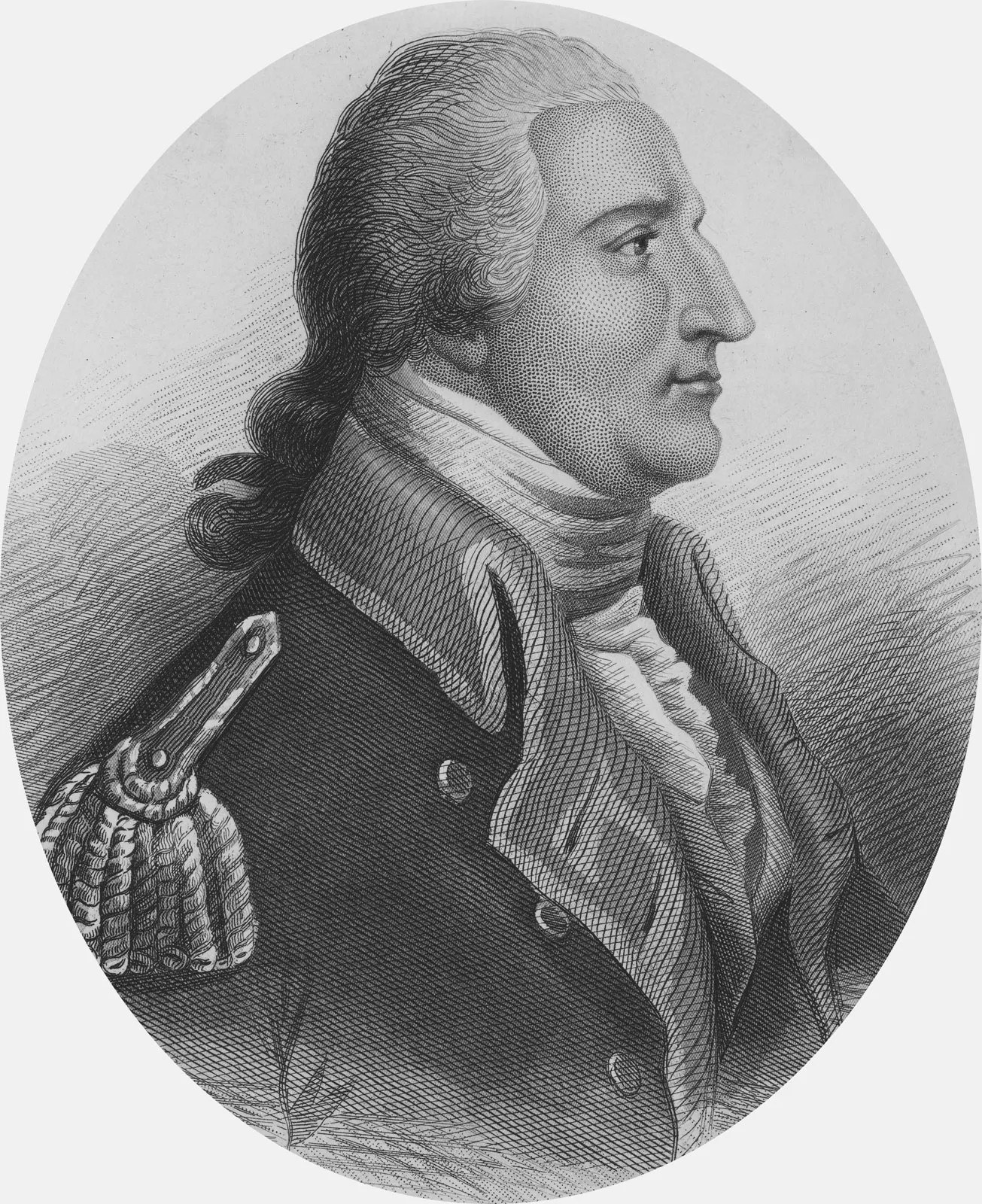
Kelly centers the narrative on Benedict Arnold, who quickly recognized the importance of Lake Champlain. With limited resources, the Americans built a small fleet at Skenesborough and Fort Ticonderoga.
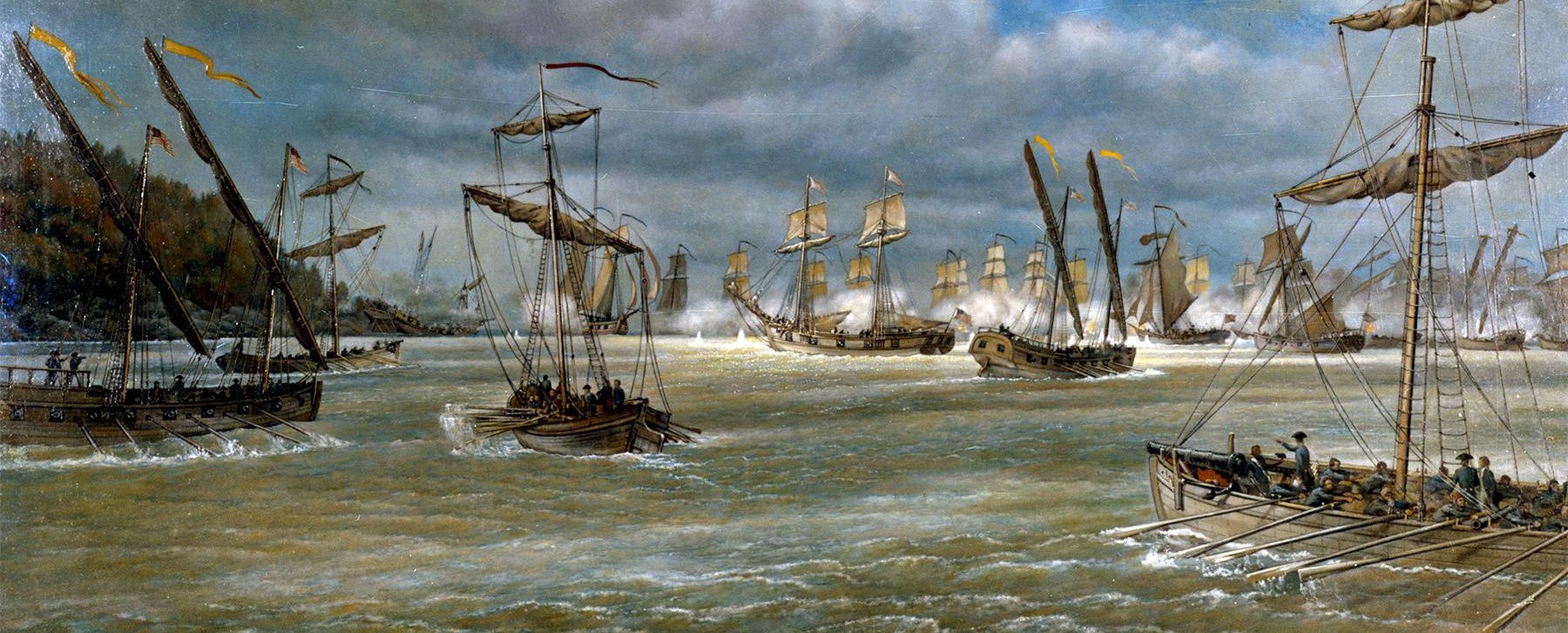
The vessels were a mix of schooners, gondolas, and galleys, many constructed quickly from green timber. Although crews were inexperienced and supplies were short, this hastily built fleet was their only means to challenge British movement down the lake.
Under the command of General Guy Carleton, the British transported prefabricated ships from Canada and assembled them on Lake Champlain. Their fleet outmatched the Americans in size, firepower, and training.
Arnold chose to fight in the narrow waters near Valcour Island to limit British maneuverability and reduce some of their advantage. On October 11, 1776, the two fleets engaged at close range. Several American vessels were damaged or destroyed, and they suffered heavy casualties. Although they held the line for several hours under intense fire, by nightfall Arnold was forced to accept defeat.
Under cover of darkness, the Americans slipped past the British line in a risky withdrawal. Over the next two days, British ships pursued and engaged Arnold’s fleet again near Crown Point. Most of the remaining American vessels were destroyed.
Despite this loss, the campaign ultimately achieved its purpose. The delay forced Carleton to halt his advance as winter approached and withdraw to Canada instead of pushing south toward Albany. This gave the Americans time to regroup and strengthen their position. The following year, that time and preparation contributed to the British defeat at Saratoga in 1777.
The strength of the book is its clear explanation of why this campaign mattered. Kelly keeps the focus on the sequence of events, the terrain, and the decisions made by both sides. He provides enough detail on ship construction and combat to support the narrative without losing pace. Arnold is presented as capable and determined in this phase of the war, which adds useful context to his later reputation.
Valcour is a straightforward account of a campaign that is often overlooked. It shows how control of terrain, timing, and persistence influenced the outcome of the war in ways that are not always obvious. Through direct yet vivid storytelling, Kelly brings attention to what is often treated as a footnote in history, showing its importance to the outcome of the war. For readers interested in the Revolutionary War, this book offers a solid look at a critical moment in 1776 outside of the familiar events of that year.
Images from this story