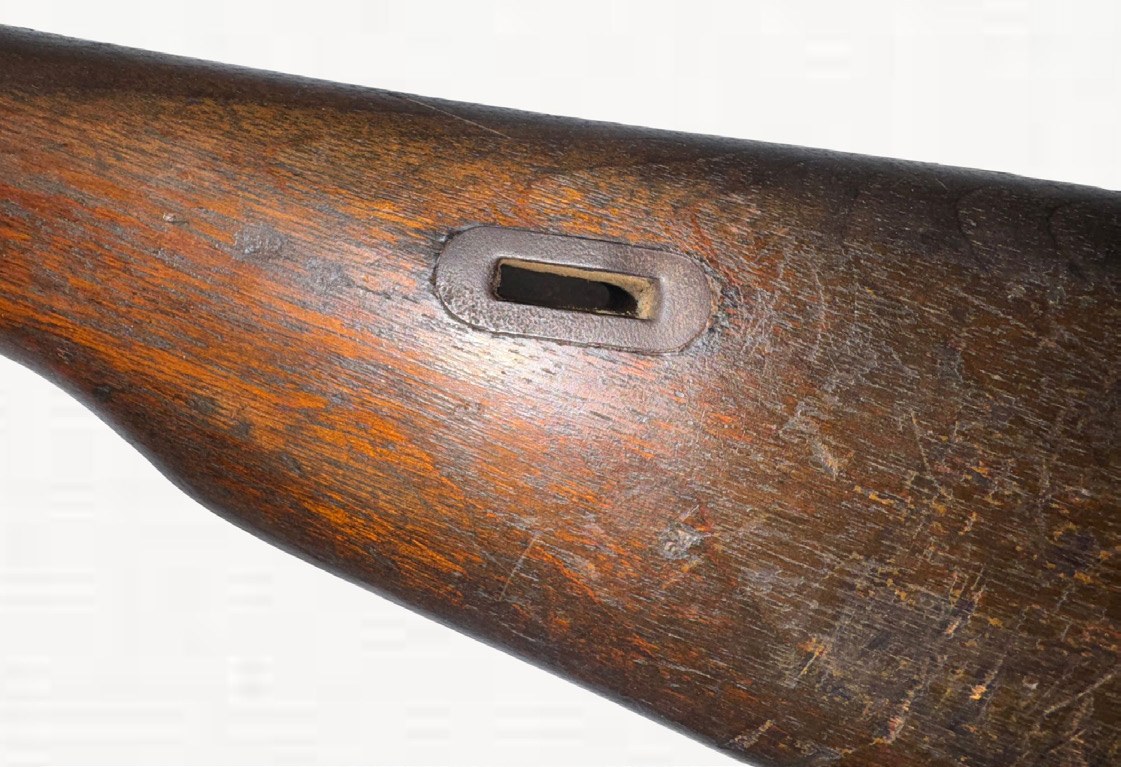
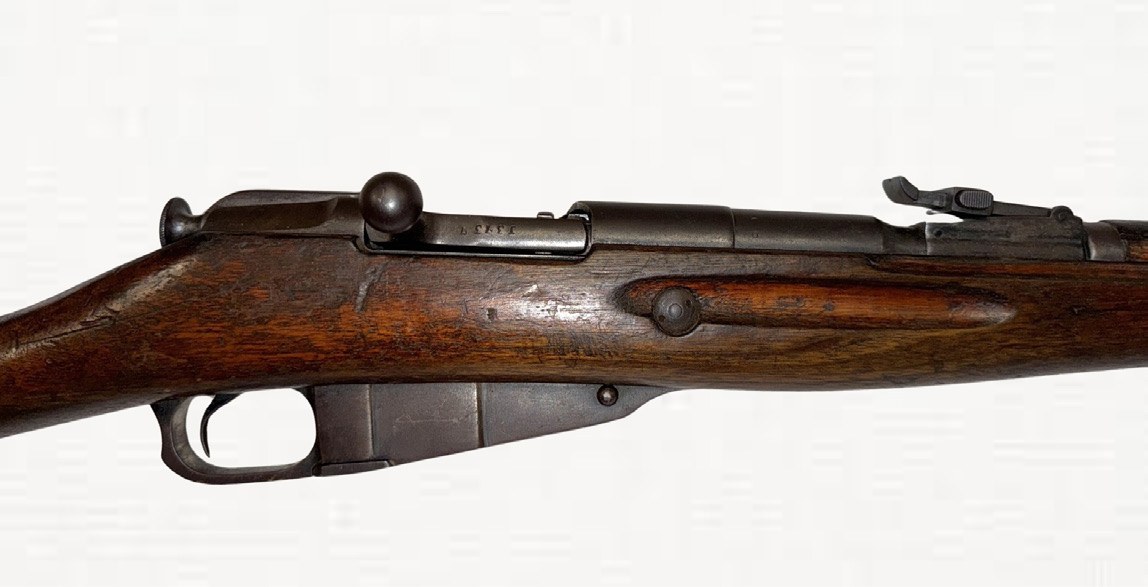
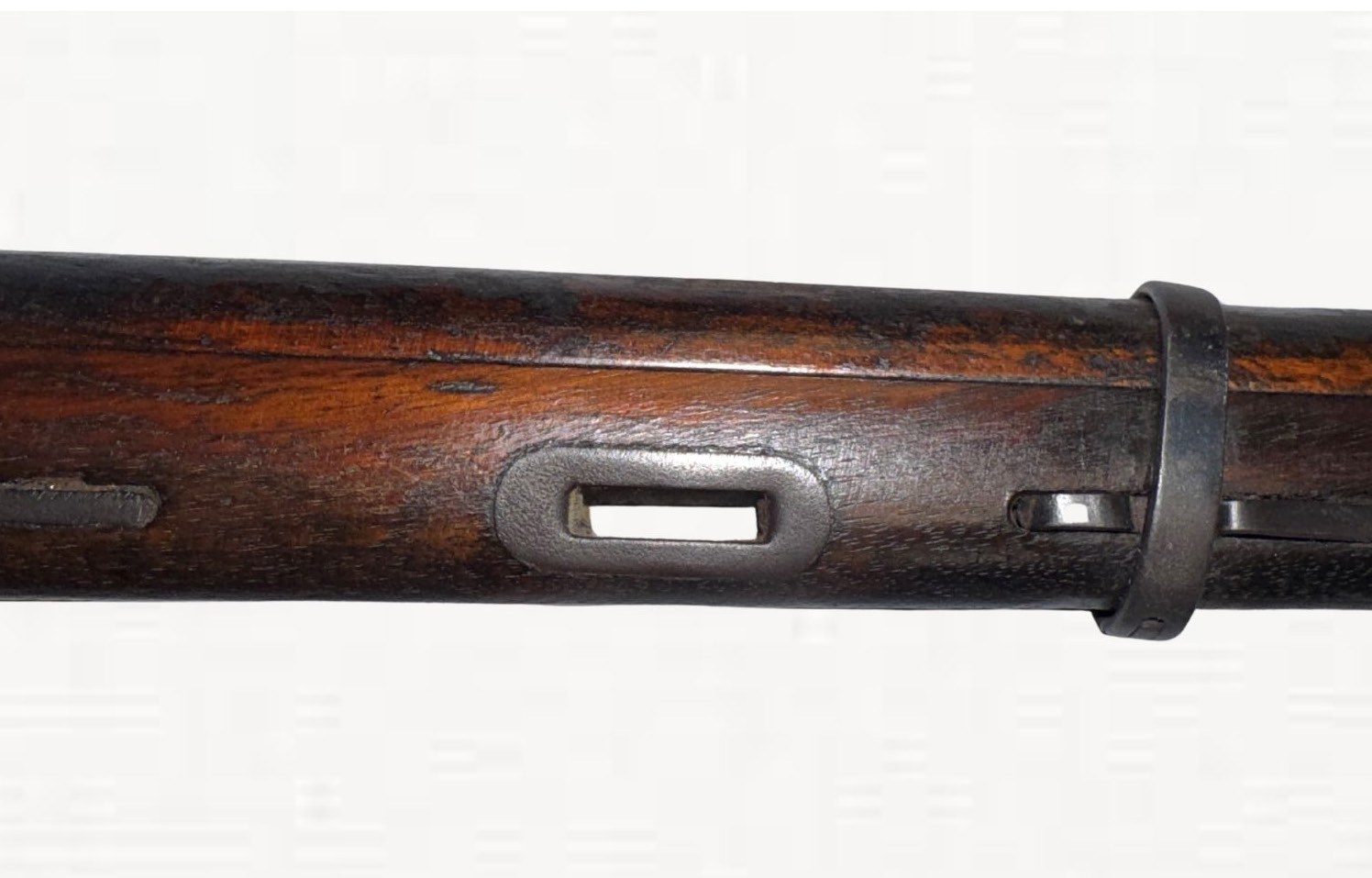
Artifact Highlight: Type 53 Carbine Donated by 1st Lieutenant Lee Alley
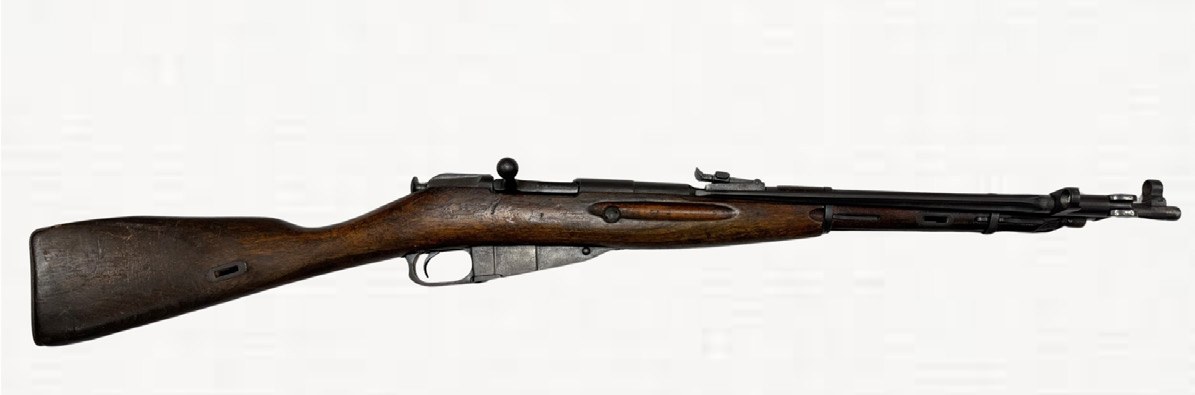
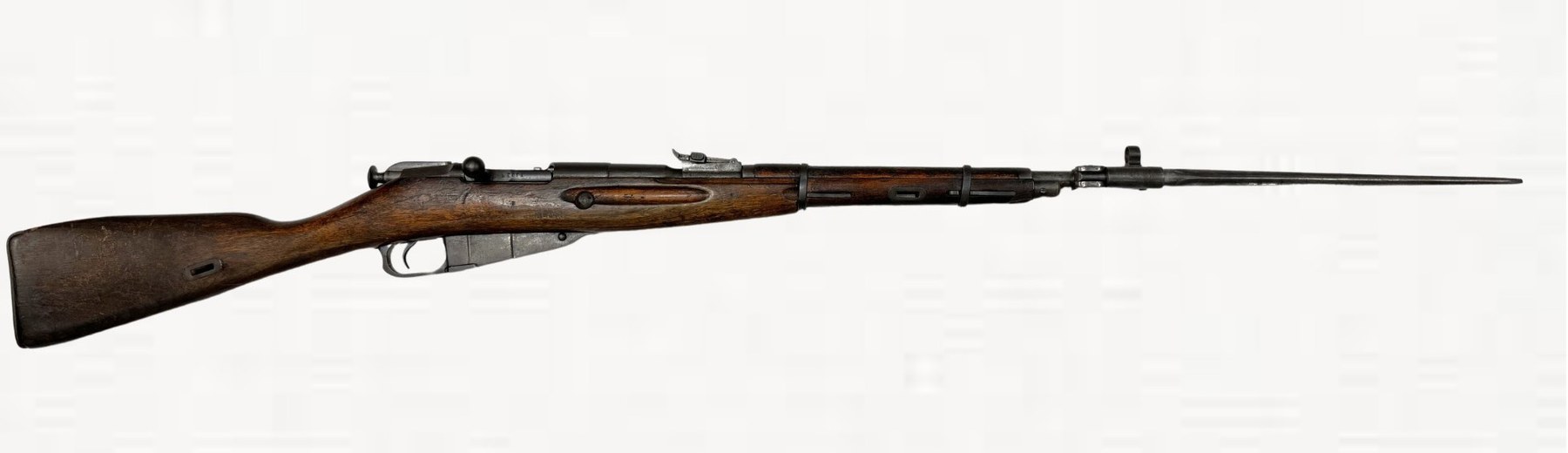
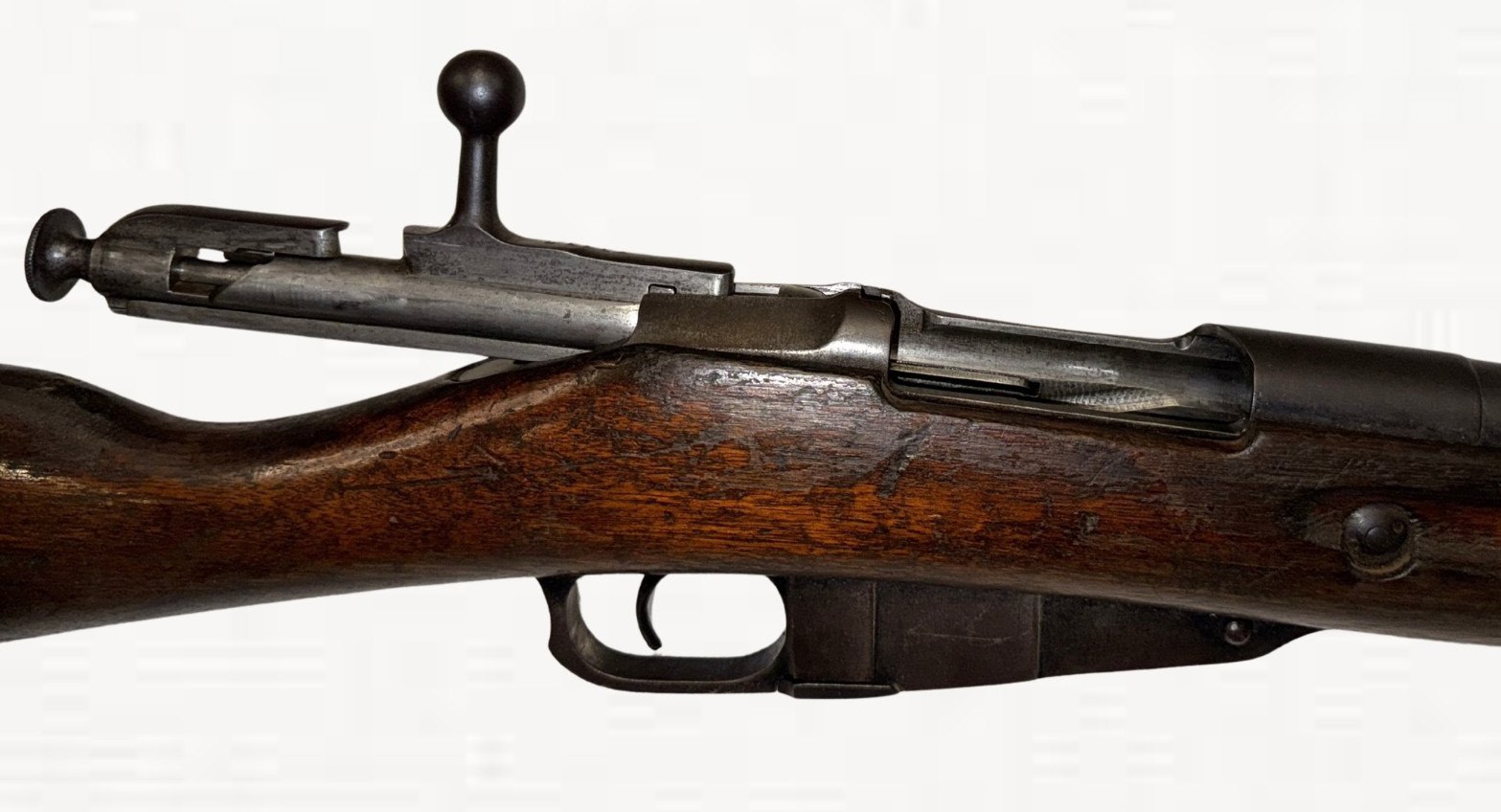
The Type 53 carbine was a Chinese-manufactured variant of the Russian Mosin-Nagant M1944 rifle. The design was considered rudimentary by the time U.S. forces would first face the weapon in combat. The rifle’s bolt action, crude open sights, and 5-round magazine capacity were all relics of the weapon’s 1890s-era origin. But that dated technology meant little to the efforts of the enemy soldiers who used the weapon during the Vietnam War.
The Type 53 (T53) carbine with its distinctively loud report and fireball flash would hold its own, firefight after firefight, time and again. Easy to maintain and hard to break, the T53, like its Mosin-Nagant predecessor, would be remembered as the unrefined workhorse that just wouldn’t quit.
The Chinese T53 was not simply a knock-off copy of the M1944 Soviet rifle of WW2. It was a licensed made variant, sanctioned by Russia who sent tooling, machines, and advisors to set up production at China’s Jianshe Arsenal, also known as Arsenal 26.
After initial production began, the Chinese Army named it the Type 53, after the year it began production. Millions of the carbines were made before production likely ceased in 1961. The exact number of carbines made and the exact year production ceased is not definitively known as China has traditionally been tight-lipped about their weapons production…even since the 1950s.
The T53 was exported en masse to North Vietnam, where it would be issued to the People’s Army of Vietnam (PAVN). When PAVN troops were reequipped with the Type 56 carbine and assault rifle, the T53 became a standard fixture with Viet Cong (VC) irregular troops.
It was a heavy rifle, weighing over 9 pounds. The 7.62x54R round kicked hard, but the trade-off was that the long range of the round could penetrate brush, sandbags, and many vehicles.
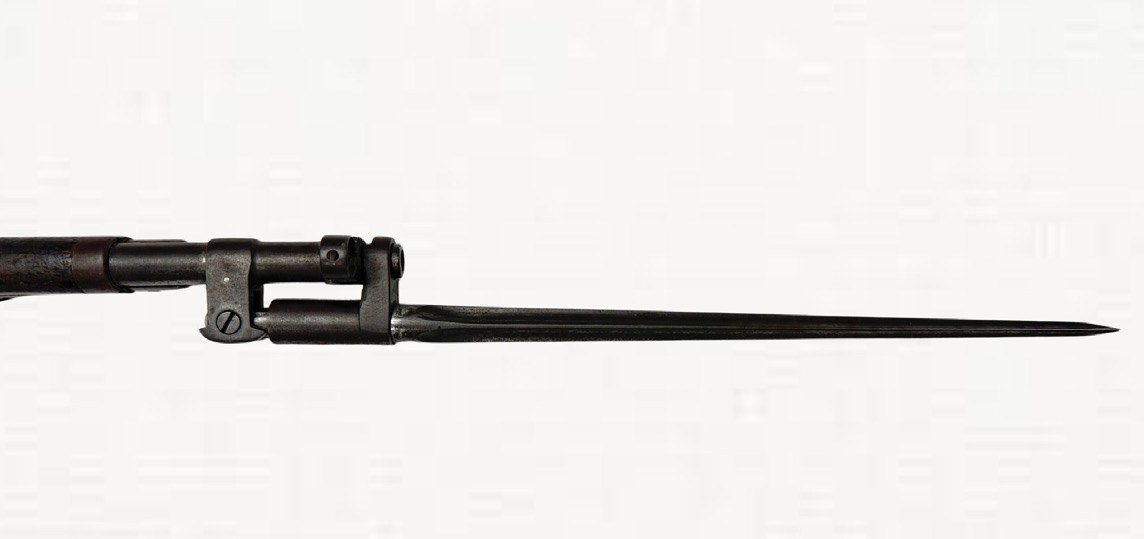
With a cruciform or “spike” bayonet folded along its muzzle, ready to snap forward into action, the Type 53 was a weapon of brutal simplicity.
This simplicity in operation and maintenance made it perfect for irregular guerrilla forces. Guerrilla fighters carried these carbines into ambushes and then faded back into the jungle, proving that so-called “obsolete” rifles could still kill with terrifying efficiency.
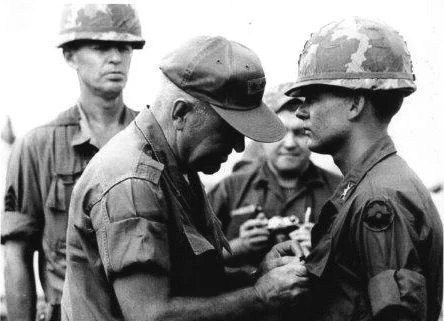
This T53 example was captured during the Vietnam War by U.S. Army Veteran Lee Alley. Alley was a Lieutenant with a Reconnaissance platoon of 5/60th Mechanized Infantry Regiment, 9th Infantry Division.
On October 13, 1967, while on a daylight patrol in Binh Phuc province, Alley and his men came under an ambush attack. During the ambush, Sgt. Wedgewood stepped into a “punji stake” pit; he was the only casualty suffered by the patrol. The casualties incurred by the ambushers totaled 2 killed and 1 captured.
There were two seized Type 56 assault rifles: the Chinese made variant of the famous Soviet AK-47 and this Type 53 carbine. Alley mentioned that the Type 53 carbine was one of the few weapons that were typically allowed to be brought back by U.S. troops.
Images from this story