Curatorial Department
Happy 250th!
This summer we will celebrate the 250th birthday of the United States of America. The semiquincentennial offers an opportunity to reflect, celebrate, and renew our appreciation for this nation and its history.
In the 250 years since the Declaration of Independence was signed, the United States has undergone profound change and growth. From 13 colonies along the Atlantic coast, the nation expanded into a union of 50 states that survived civil war, economic hardship, and global conflict, while extending rights and opportunities to a broader population.
Communities across the country are celebrating the semiquincentennial with events both large and small. The National Museum of Military Vehicles in Dubois, Wyoming, will host a full day of programming in honor of America’s 250th, bringing together history, education, and public engagement.
National initiatives have also been underway throughout the year, with programs focused on civic education and historical awareness. Students across the country have participated in efforts such as the America 250 Civics Education Coalition, the History Rocks: Trail to Independence Tour, and the Presidential 1776 Award competition. These programs reflect a continued interest among younger generations in understanding the nation’s history and the responsibilities of citizenship.
Additional initiatives, including Our American Story and America’s Field Trip, aim to connect students with the broader American experience. This year’s celebrations will blend patriotism, history, and innovation, while aiming to inspire a renewed love of American heritage and a vision for the next 250 years.
Looking ahead, this anniversary serves as both a commemoration and a point of reflection. The next 250 years will be shaped by the decisions made today. In a time of rapid change, the founding principles of this nation remain powerful tools meeting future challenges.
Hands-On History
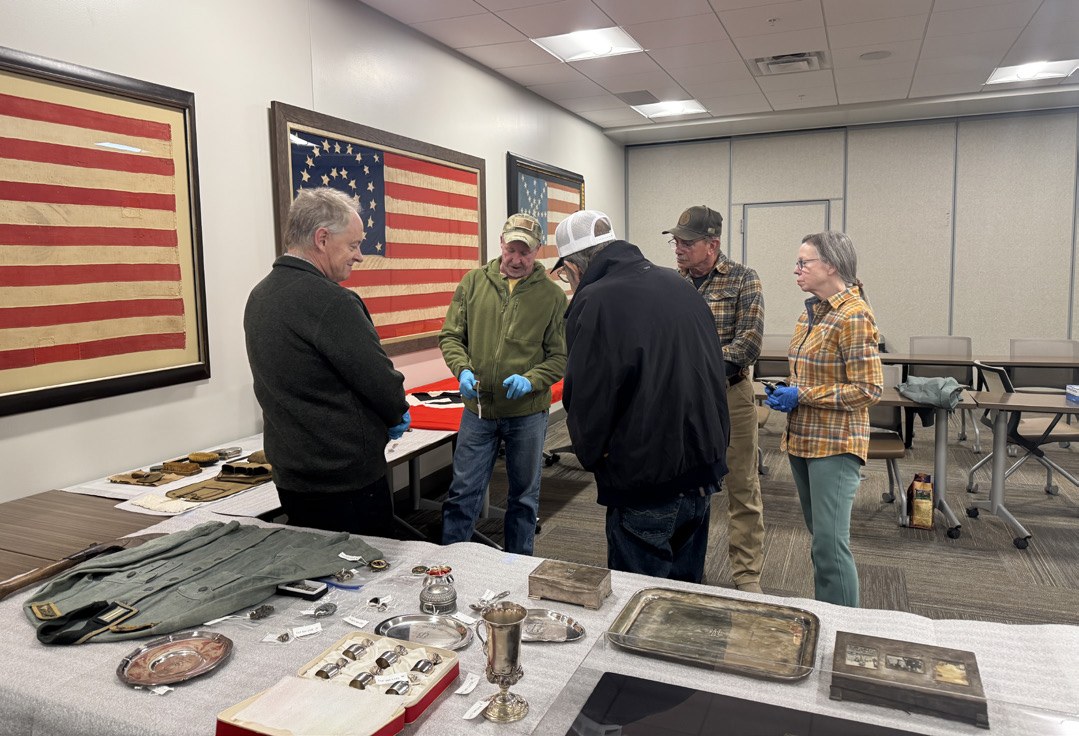
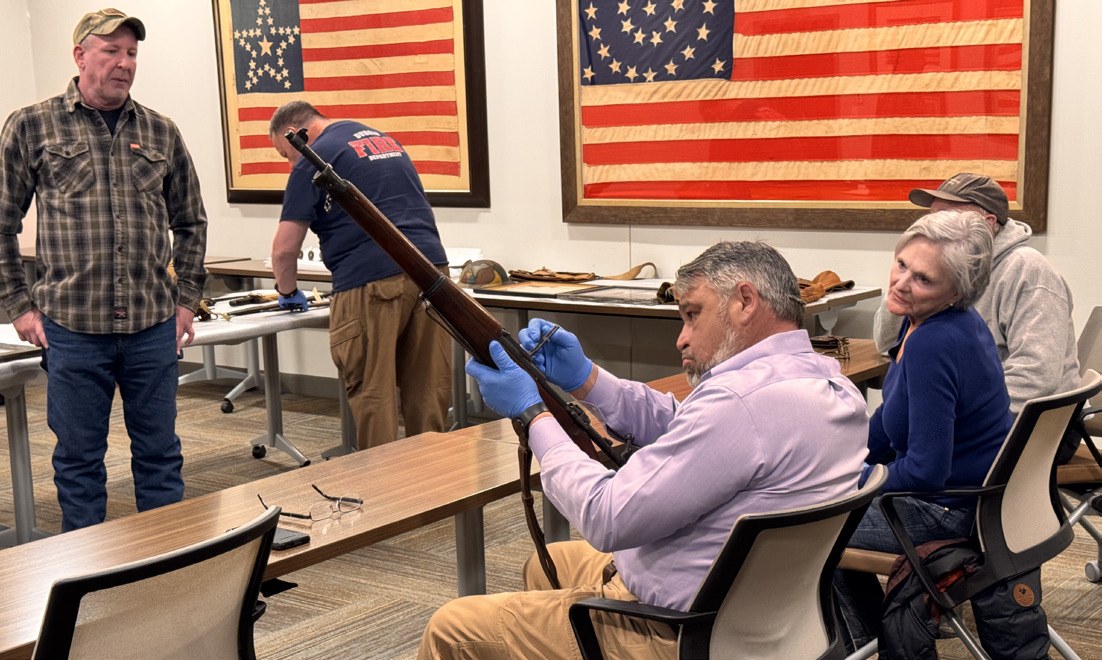
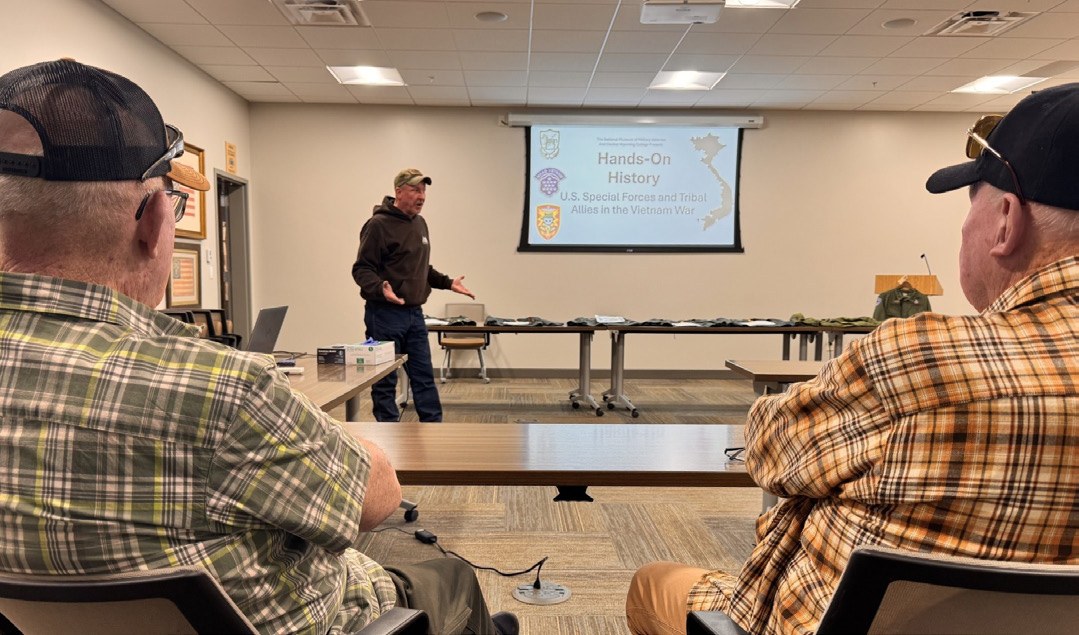
The NMMV Curatorial Department held three segments of “Hands-On History” classes in partnership with Central Wyoming College. These classes allowed attendees to handle artifacts while learning about their historical significance.
March’s topic was “U.S. Special Forces and Tribal Allies in the Vietnam War.” We discussed the role of Special Forces in the Vietnam War as well as their indigenous allies, such as Montagnards and Nungs. Many of the artifacts that were handled in this class are going on display in the General Lewis “Chesty” Puller Gallery.
In April, classes covered “End of World War II: Axis Artifacts,” commonly referred to as “bring-backs.” Many troops brought home Axis weapons or personal belongings. Attendees handled extremely rare artifacts, such as Eva Braun’s personal brandy set and Erwin Rommel’s shaving set.
In May, we handled and discussed artifacts of World War I. World War I transformed the U.S. military as it adapted to match some of the world’s strongest powers. In spite of technological advancements, this conflict placed troops in brutal trenches and often engaging in hand-to hand combat. These artifacts, including trench art, uniforms, and experimental helmets, will all be on display in the General George S. Patton Jr. Gallery in July.
Thank you to Central Wyoming College for partnering with NMMV for these Hands-On History classes and to everyone who attended. We look forward to holding more classes in the future!
National History Day
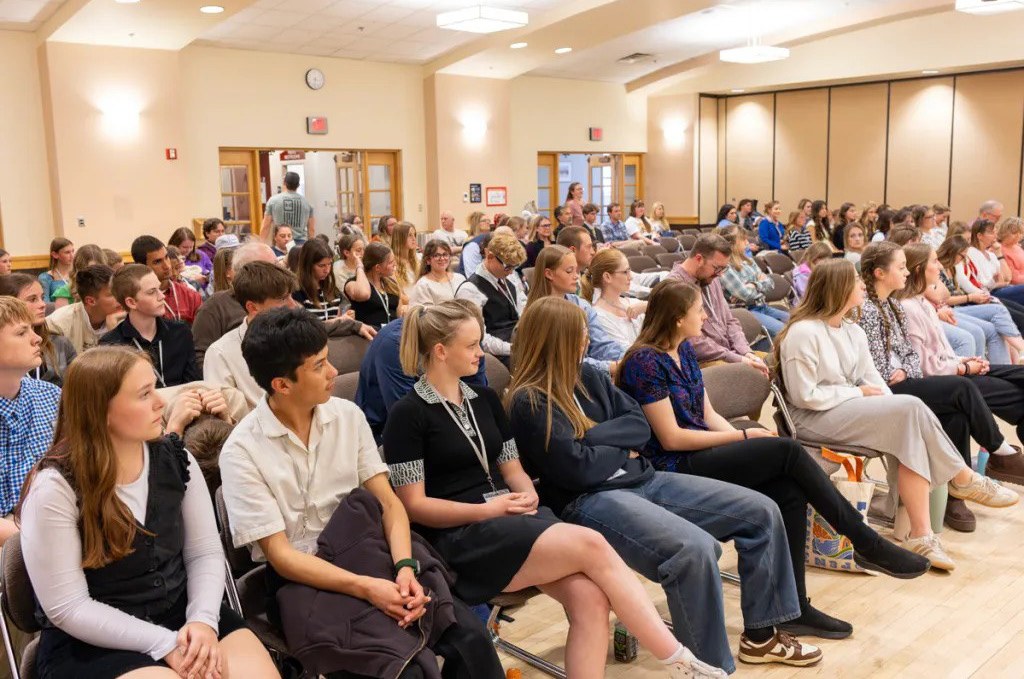
This June, I will have the pleasure of traveling to College Park, Maryland, as a judge for the National History Day Contest. Appropriately, this year’s theme is Revolution, Reaction, Reform in History. Over 3000 students in grades 6-12 will present their history projects for group or individual competitions, in one of the categories: documentary, exhibit, performance, website, or thesis paper. I will judge the exhibit and presentation competitions. This year will be my 6th year as a national judge, and I am very excited to see the culmination of all of the student’s hard work over this past year.
Representing our state of Wyoming, will be the recent winners of the state’s history day competition. In the categories of exhibit and presentation, students chose topics such as The Navajo Code Talkers, The Cuban Missile Crisis, Anne Frank and the Holocaust, The Vietnam War: Changing War With Private Contractors, Los Alamos, Anti-War culture in the 1960s-70s, and The Samoan Civil War of 1899.
In my experience, military history topics typically make up approximately 40-50% of all student entries. If one were to look at state history day competition entries, which total over 700,000, that means over 350,000 new students every year, spend 12 months researching and creating projects about some aspect of military history. Regardless of topic, I find State History Day and National History Day an encouraging reminder that there are educators and students who find history important and exciting.
While at the national competition, winners will showcase their projects inside of the National Museum of American History: Kenneth E. Behring Center (NMAH) in Washington D.C. Although often times mistakenly called “The Smithsonian,” the NMAH is actually one of eleven Smithsonian Museums on the National Mall. The opportunity to display an exhibit and present their research to public visitors in the NMAH is the crowning achievement for these young historians.
So let’s congratulate all of these young scholars and wish them good luck.
Images from this story