Artifact Highlight: 91st Aero Squadron Tunic and Jerkin
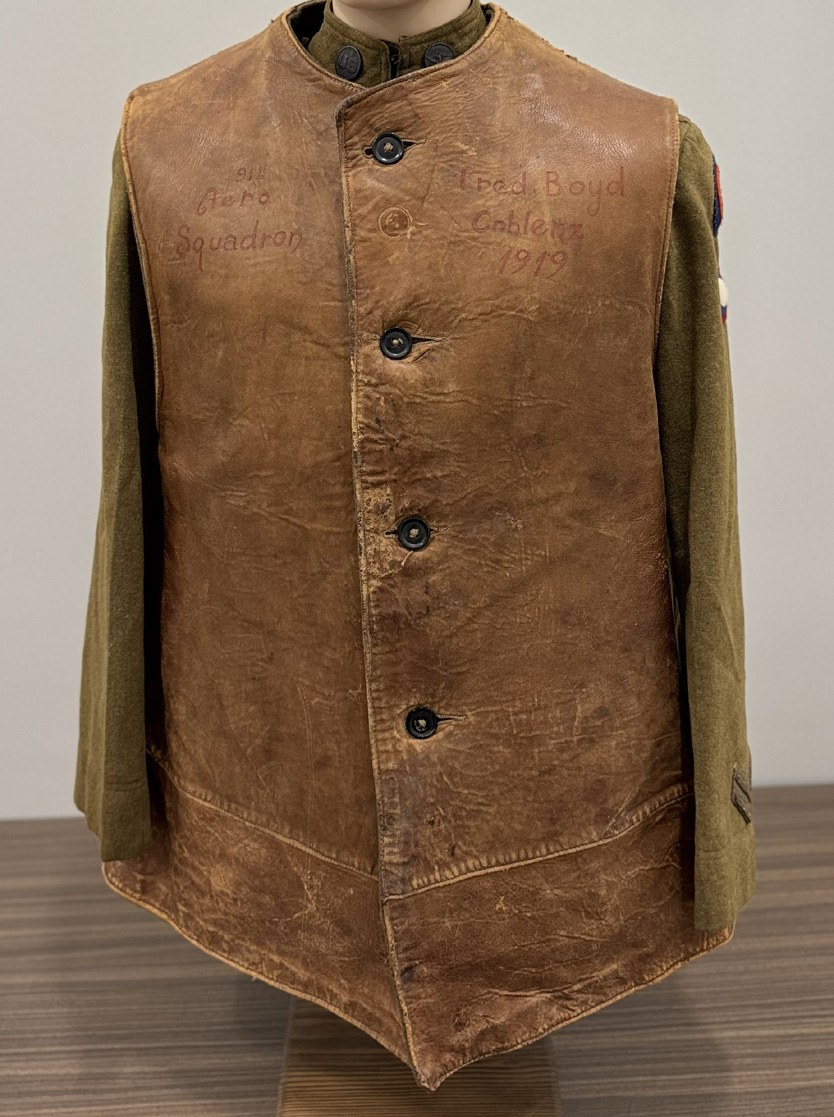
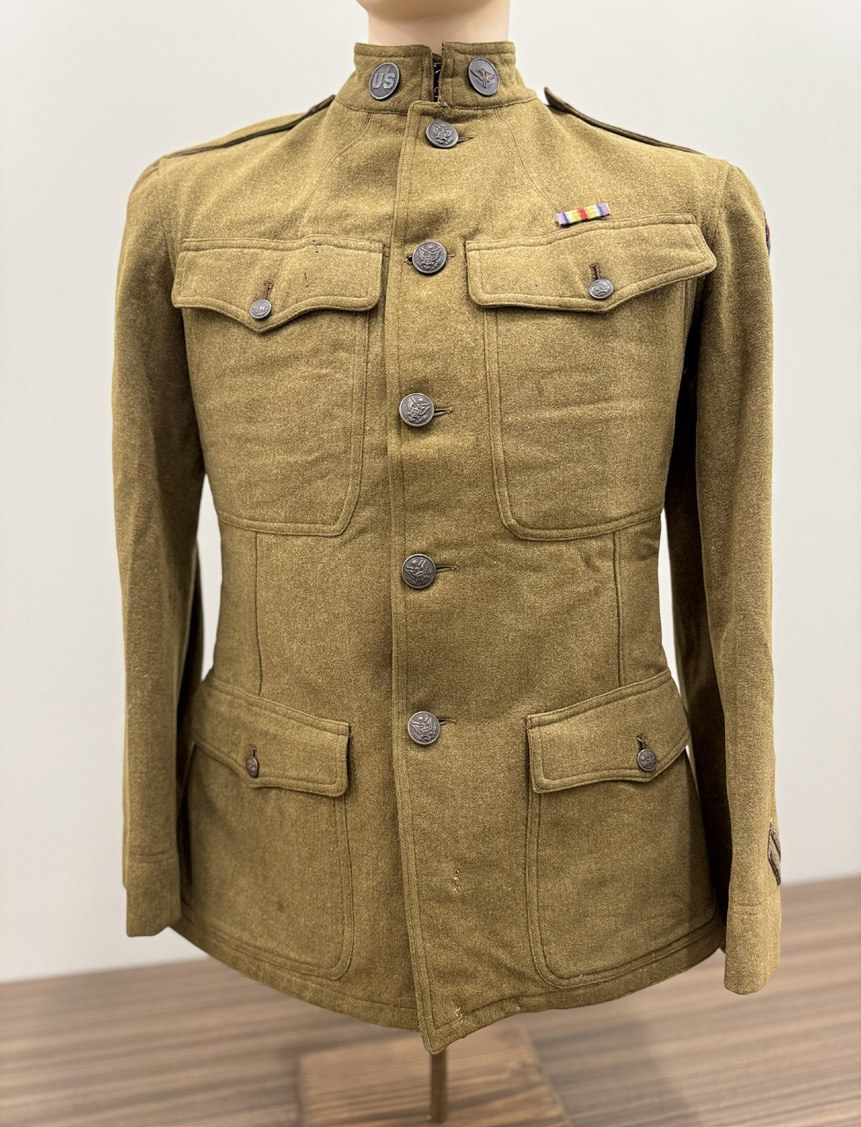
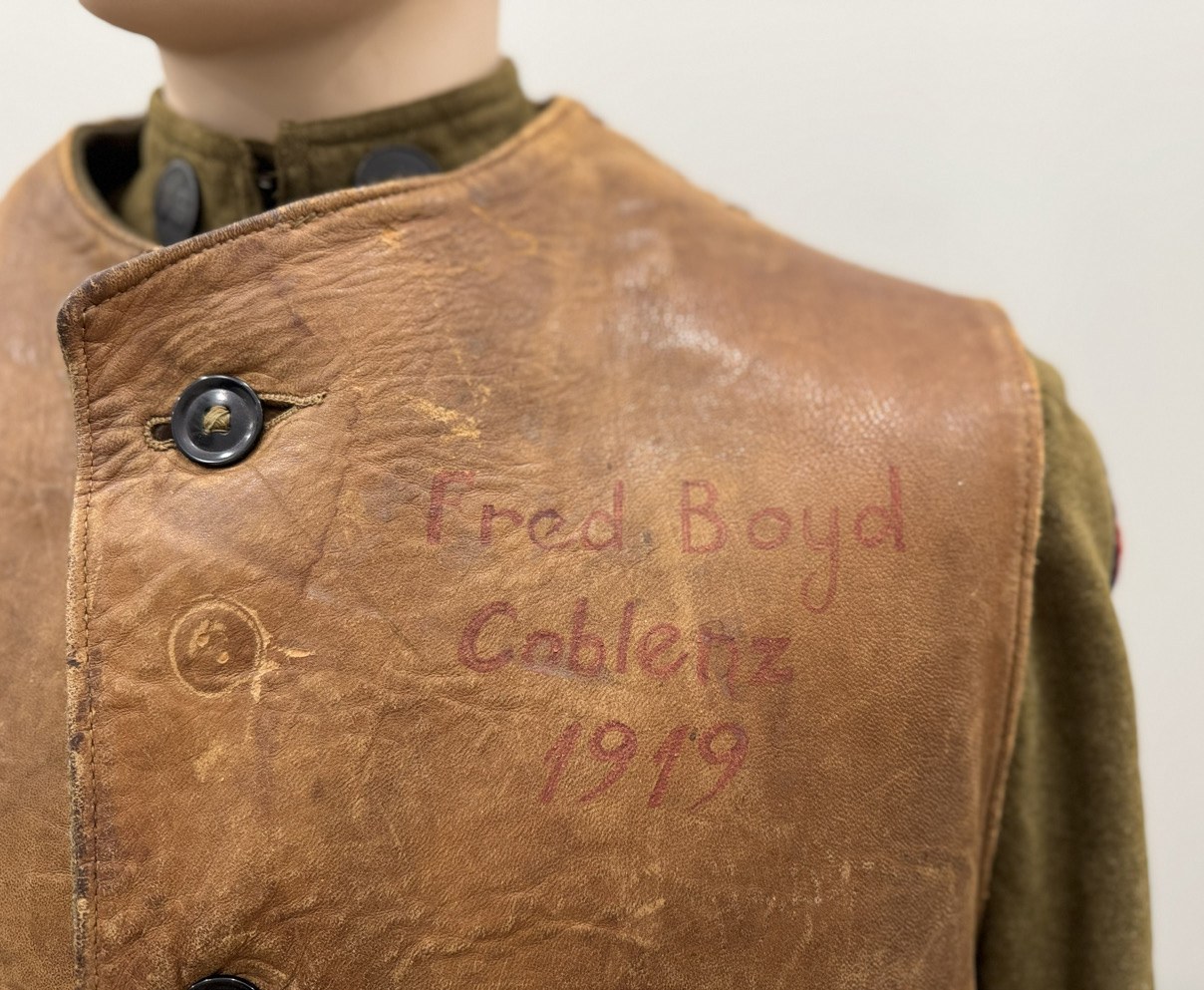
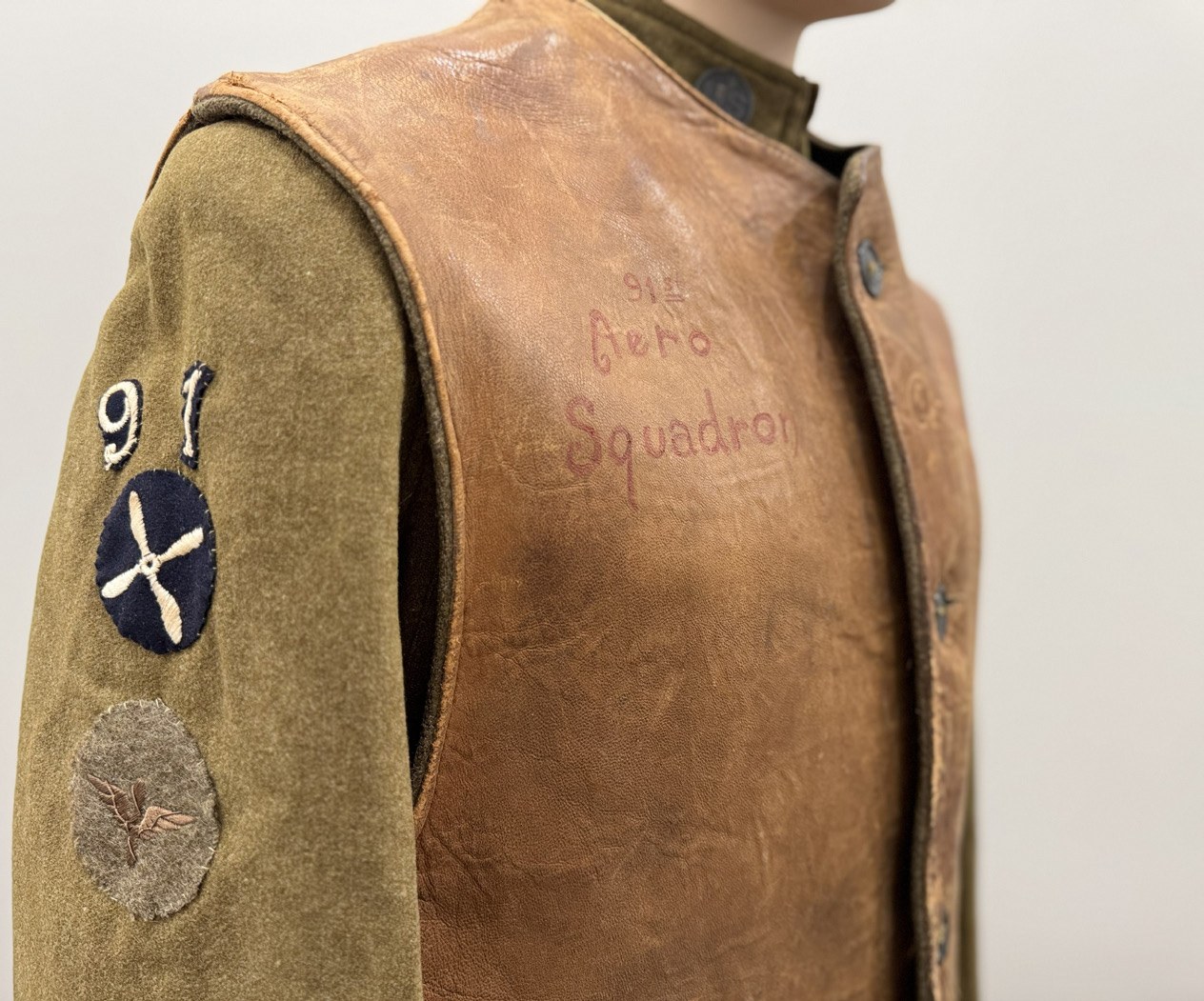
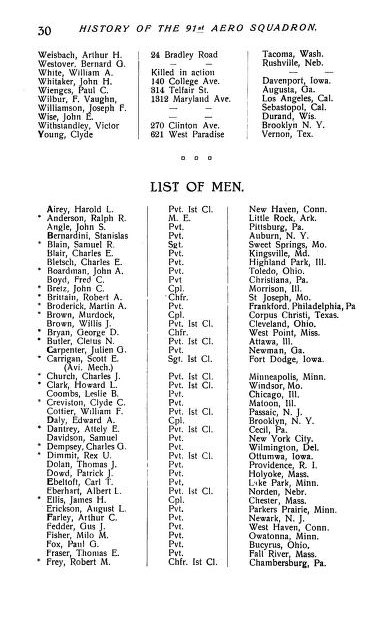
This World War I Jerkin, identified to 91st Aero Squadron Veteran Fred C. Boyd, was made with a cowhide leather shell and wool blanket lining.
U.S. Wool M1917 Service Coat was worn by Fred Boyd during his World War I U.S. Army service.
The right shoulder sleeve of the wool tunic has the patches for the 91st Aero Squadron: “91” above the black and white circular propeller patch for aviation mechanic. Below those patches is the circular winged propeller insignia patch for Private First Class of Aviation.
The Jerkin was personalized by PFC Fred Boyd and commemorates his duty in Coblenz, Germany.
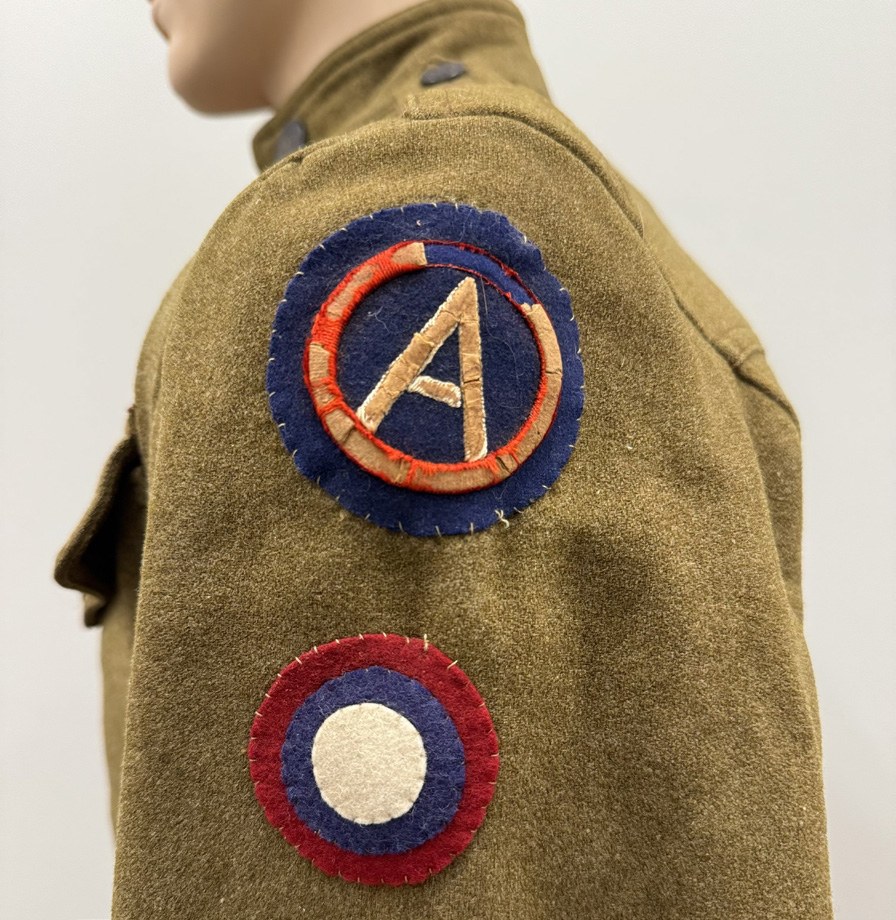
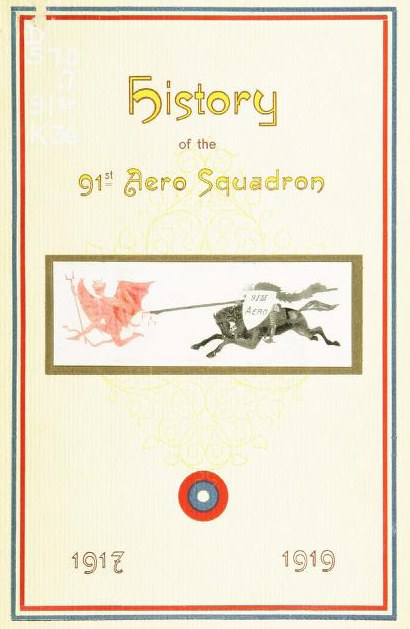
The 91st Aero Squadron was stationed in postwar Germa ny and assigned to the 3rd Army as part of the Occupation Army of the Rhineland.
On Fred’s left sleeve shoulder are the World War I era patches for the U.S. 3rd Army (top), and the “bullseye” patch (below)for the U.S. Army Air Service.
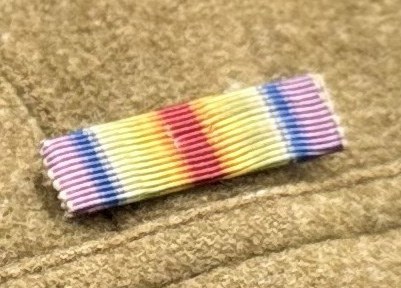
Above the left side breast pocket of Fred Boyd’s Service Coat is the World War I Victory Medal, Ribbon.This service medal was created in 1919 and presented to members of the U.S. military who served in World War I. The World War I Victory Medal was awarded for service between April 6, 1917, and November 11, 1918, or with either of the following expeditions:
(1) American Expeditionary Forces in European Russia, between November 12, 1918, and August 5,1919.
(2) American Expeditionary Forces Siberia, between November 23, 1918, and April 1,1920.
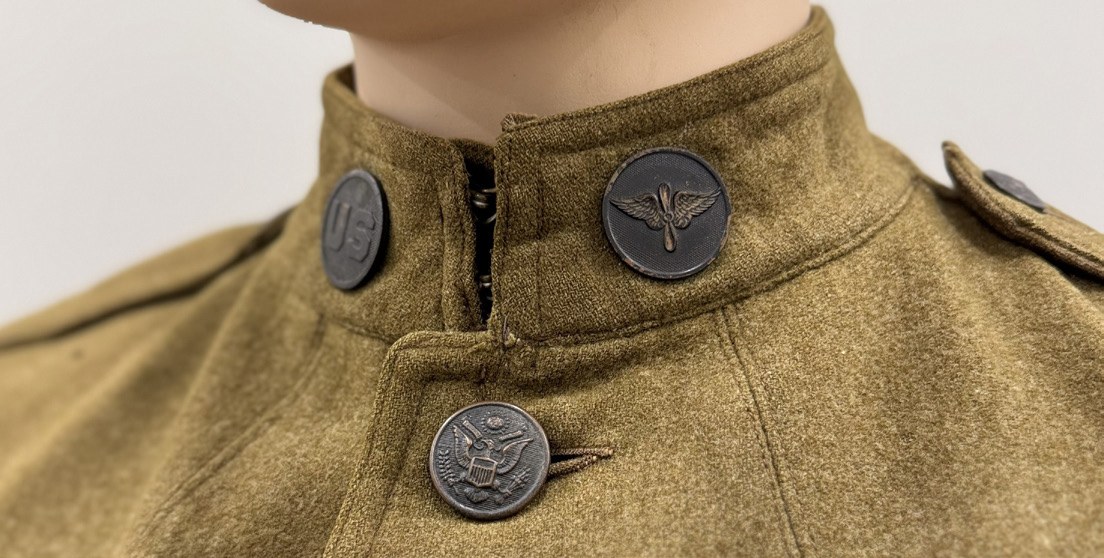
The “subdued” devices on the standing collar of Fred’s M1917 Service Coat or Tunic were standard for enlisted personnel to denote service in the United States Army and the Aviation branch.
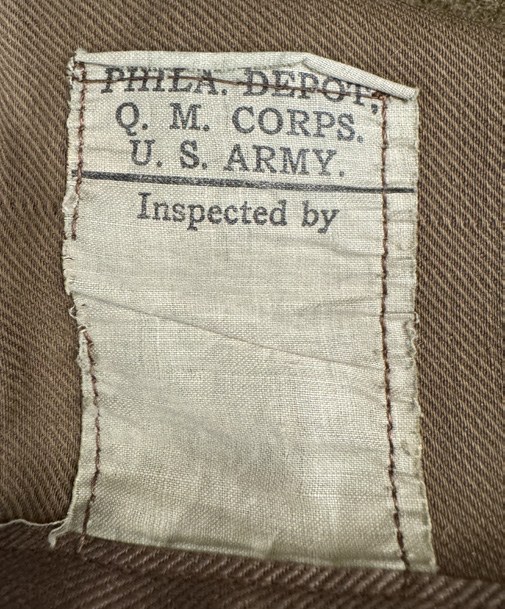
Boyd’s service coat was made at The Philadelphia Depot, which manufactured supplies for the U.S. military during WW1. The need to equip millions of service members in the span of a year stressed the need for a larger facility. The depot expanded its complex by 61 acres during the war.
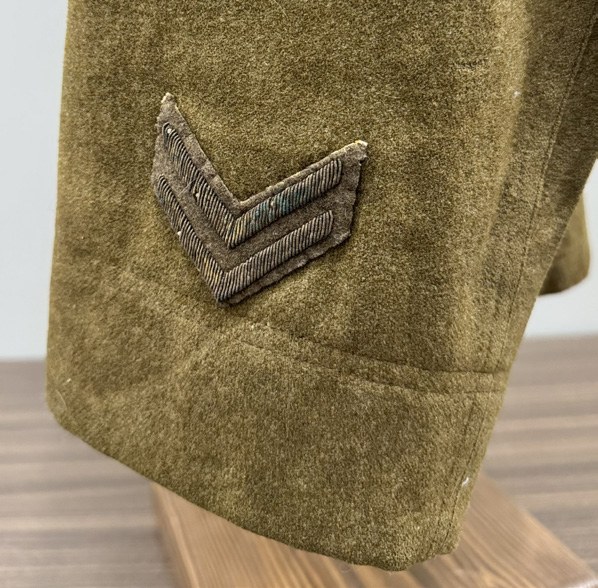
Sewn on the cuff of the left sleeve are two service chevrons for one year of service overseas.
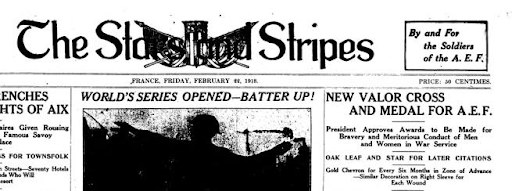
On January 6, 1918, War Department General Orders No. 6 authorized the officers and enlisted men of the U.S. Army, Navy and Marine Corps to wear a War Service Chevron or what collectors today call an “Overseas Stripe”. The ‘V’ shaped chevron was initially issued in one color… gold. Its purpose was to signify that the wearer had served in the “Zone of Advance”, overseas in France during WW1. One gold War Service Chevron was awarded for each sixmonth period that a soldier, sailor or Marine served in the Zone of Advance.
The Zone of Advance was considered by the AEF to be where a line soldier could expect to be either under direct fire from the enemy in an opposing trench line or within range of the opponent’s large caliber artillery and gas shells. Typically, this area included the front-line trenches and the twelve or so miles of territory directly behind them.
Images from this story