Eighty Years Since Surrender: V-J Day and What It Means Today
September 2, 2025, is the 80th anniversary of Victory over Japan Day, or V-J Day, as celebrated by the United States. While this date represents the end of World War II, a closer look reveals that there is more to this day than the signing of a surrender. For instance, did you know that not every country celebrated V-J Day on the same date? Australia, the Netherlands, New Zealand, and the United Kingdom acknowledged V-J Day on August 15th, the day that Emperor Hirohito announced Japan’s surrender. The Philippines celebrated September 3rd as V-J Day, as this is the date that Japanese General Tomoyuki Yamashita surrendered. Additionally, many may not realize that not all combat immediately ended following Japan’s surrender, as some Japanese units were unaware of or refused to acknowledge this surrender.
This reflection on Victory over Japan Day explores several dimensions of V-J Day such as the surrender ceremony aboard the USS Missouri,United States occupation of Japan, and how this controversial victory is remembered today.
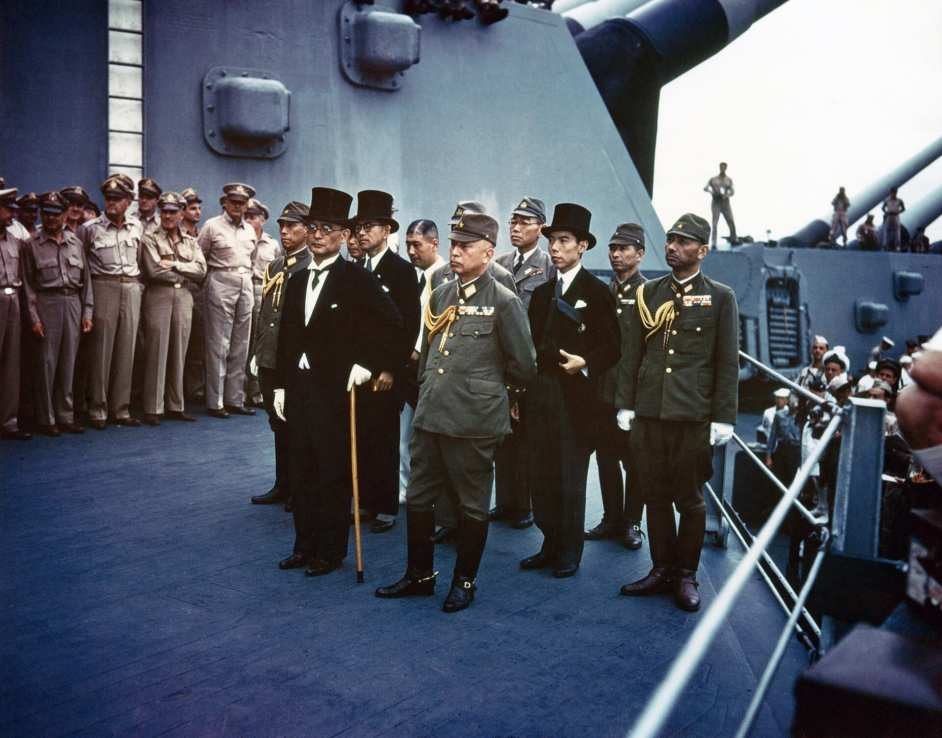
The USS Missouri Surrender Ceremony
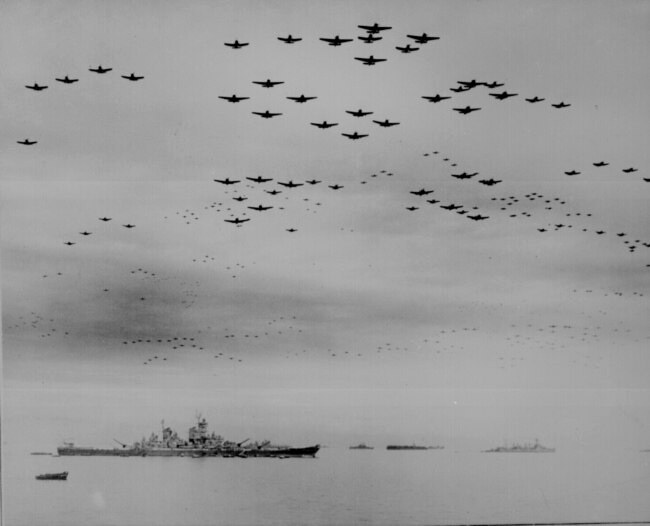
The ceremony took place on September 2, 1945, in Tokyo Bay aboard the USS, which was said to have been chosen due to the fact that Missouri was President Truman's home state. This decision was much to the dismay of many crew members on other battleships with more distinguished combat records.
General Douglas MacArthur initially suggested the surrender take place at the United States embassy, however, President Truman ultimately decided that Tokyo Bay was more appropriate since this was a surrender to the combined Allied forces. This ceremony was brief, and in less than thirty minutes, Japan had officially surrendered.
The Final Surrender
For many of the U.S. troops who were preparing for Operation Downfall, the announcement of Japan’s surrender brought overwhelming relief. Some were even in disbelief and feared the announcement could have been a trap. For many Japanese, this unprecedented surrender was both shocking and difficult to accept.
Although the surrender ceremony officially concluded the war, for some the conflict continued. Japanese holdouts, soldiers who either never received the news of Japan’s surrender or simply refused to accept it, continued guerrilla warfare for years after the surrender was announced.
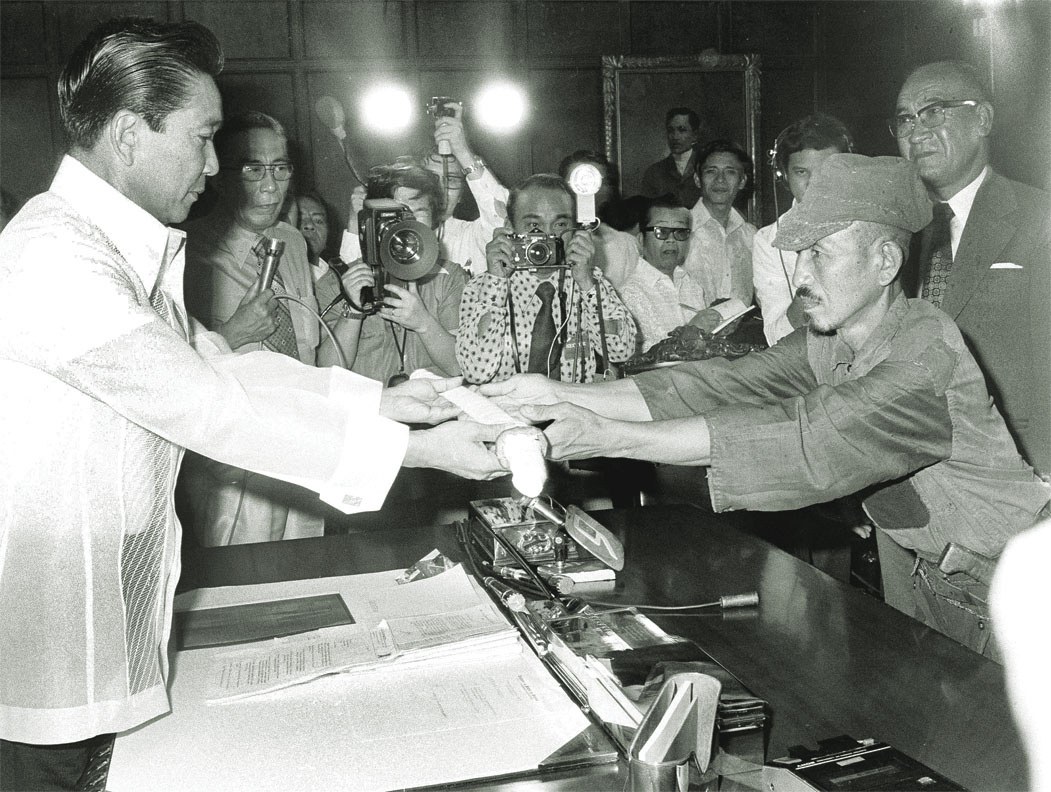
The last Japanese soldier to formally surrender was Lieutenant Hiroo Onoda, who remained in the Philippine jungle and continued operations for nearly twenty-nine years after World War II ended. In interviews and writings after his return to Japan, Lt. Onoda spoke of being unable to accept that Japan had surrendered. He had sworn to never surrender and could not believe that his country would not do the same.
The Cost of Conflict
The end of World War II brought relief and liberation from a ruthless enemy as well as conflicting thoughts about the method through which this victory was achieved.
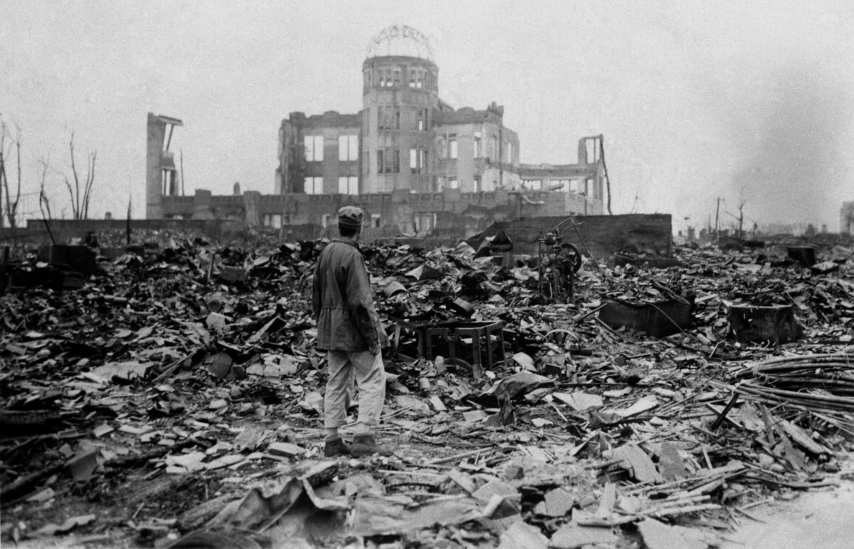
Many struggled with the moral complexities of the war’s end, which was induced by the devastation that resulted from the atomic bombs, Little Boy and Fat Man, dropped by the United States on the Japanese cities of Hiroshima and Nagasaki.
An estimated 250,000 Japanese died as a result of the atomic bombings, both immediately and later from radiation sickness, meaning that this victory was associated with death and suffering of civilians.
Occupation of Japan
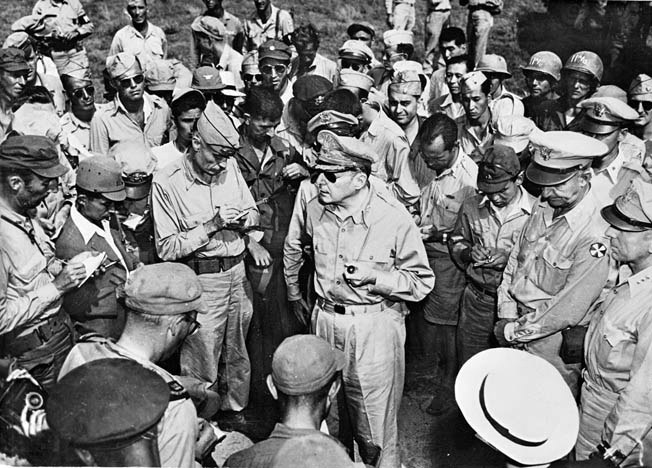
Beginning on August 28, 1945, the United States led the Allied occupation of Japan, under the command of General Douglas MacArthur, who served as Supreme Commander for the Allied Powers, to dismantle the Japanese military, provide reconstruction, and pave the way for a peaceful alliance.
On December 31, 1946, U.S. President Harry S. Truman signed Proclamation 2714, which officially declared the end of all hostilities of World War II and began steps toward the eventual withdrawal of occupational troops from Japan.
Although V-J Day is often viewed as the end of World War II, the formal end to the war was not until April 28, 1952, when the Treaty of San Francisco, which had been signed on September 8, 1951, by 48 countries, went into effect. This treaty officially stripped Japan of its imperial power, granted reparations for those who suffered in Japan during World War II, and ended the Allied post-war occupation of Japan. The accompanying U.S.-Japan Mutual Security Treaty of 1951, allowed U.S. forces to remain in Japan and maintain military bases in Japan such as Okinawa.
Rebranded Victory and a Lasting Alliance
As we commemorate V-J Day’s 80th anniversary, it is worth acknowledging how the perception of this victory has evolved since Japan’s surrender was signed.To reflect the reconciliation between Japan and the United States, President Truman attempted to make V-J Day more palatable, issuing a proclamation in 1946 that renamed it “Victory Day”, but this was not widely adopted. Rhode Island observes May 8th as Victory Day, and is the only U.S. state that honors the end of World War II with a legal holiday, as V-J Day, or Victory Day, was never a federalized holiday.
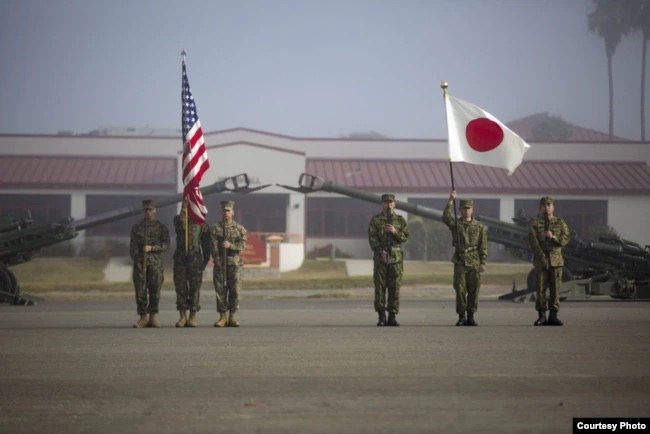
On January 19, 1960, the 1960 Treaty of Mutual Cooperation and Security was signed by the U.S. and Japan. This replaced the 1951 Security Treaty, and created a long-term military alliance between the two countries that is still in effect today.
What Does V-J Day Mean Today?
Now, eighty years later, V-J Day is observed not only as a celebration of victory achieved by the United States along with its Allies, but also as an important reminder of the immense human cost of World War II. This day brought mixed feelings of relief, grief, and hope as it ended the war. V-J Day is not only a testament to human resilience in the wake of horrific suffering, but also of peace found through reconciliation with a former enemy.
The anniversary is not only a time to reflect on the ceremony held on the USS also an opportunity to honor the sacrifice of the many service members who made this victory possible and remember the lessons learned from the deadliest conflict in world history.
Images from this story